Disclaimer: Information found on CryptoreNews is those of writers quoted. It does not represent the opinions of CryptoreNews on whether to sell, buy or hold any investments. You are advised to conduct your own research before making any investment decisions. Use provided information at your own risk.
CryptoreNews covers fintech, blockchain and Bitcoin bringing you the latest crypto news and analyses on the future of money.


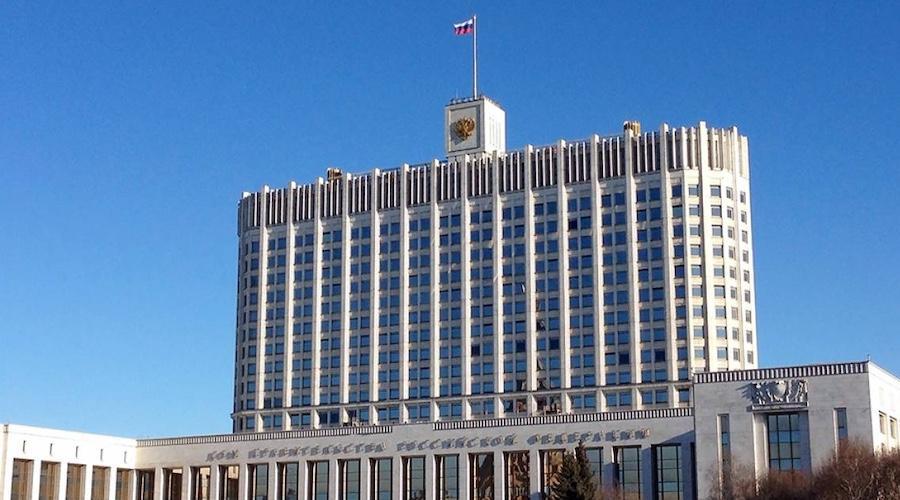
The Bank of Russia has officially granted the National Association of Securities Market Participants (NAUFOR) the status of a self-regulatory organization (SRO) for digital asset market operators, covering crypto exchangers and digital depositaries.
To operate legally in Russia, crypto exchangers and crypto depositaries are required to become members of an SRO. For market participants registered in the Central Bank’s registry by October 29, the deadline for joining the SRO is set for January 27, 2027. New entrants must join the SRO within 90 days of obtaining their license. The Central Bank clarified that existing membership in NAUFOR does not automatically confer the status of a crypto exchanger or digital depositary.
NAUFOR has existed since 1994, uniting banks, brokers, asset management companies, depositaries, and other securities market participants, with a total of 725 members on its list.
Related Posts
The organization’s website states that as an SRO for digital asset and digital currency market participants, NAUFOR “will participate in developing standards, monitor their implementation, provide methodological support to participants in the digital financial assets (DFA) market, and represent the industry’s interests before the Bank of Russia during the refinement of legislation and regulatory frameworks.”
On September 1, the day the cryptocurrency regulation law came into force, an independent “Association of Organizations Carrying Out Digital Currency Exchange” was created. It is headed by Andrey Tugarin, founder of the law firm GMT Legal. The association aimed to become the SRO for participants in Russia’s legal crypto market.
Since October, the Central Bank has begun accepting applications from digital depositaries and crypto exchangers for inclusion in the state registry. For companies not yet included in the registry, a transition period is provided: until June 30, 2027, they may continue trading cryptocurrencies and exchanging them for fiat currency. From July 1, 2027, such activities will be possible only with a license. Trading without permission will be subject to criminal penalties.
However, experts interviewed by the newspaper Kommersant believe that legal crypto exchangers will face difficulties in ensuring the transaction speed required by the Bank of Russia, which is close to that of the traditional securities market. The situation is exacerbated by the obligation for exchangers to fulfill commitments before regulated trading begins.
