Disclaimer: Information found on CryptoreNews is those of writers quoted. It does not represent the opinions of CryptoreNews on whether to sell, buy or hold any investments. You are advised to conduct your own research before making any investment decisions. Use provided information at your own risk.
CryptoreNews covers fintech, blockchain and Bitcoin bringing you the latest crypto news and analyses on the future of money.

The State Duma Committee has proposed allowing Russians to use non-custodial wallets., 2026/04/17 15:53:23

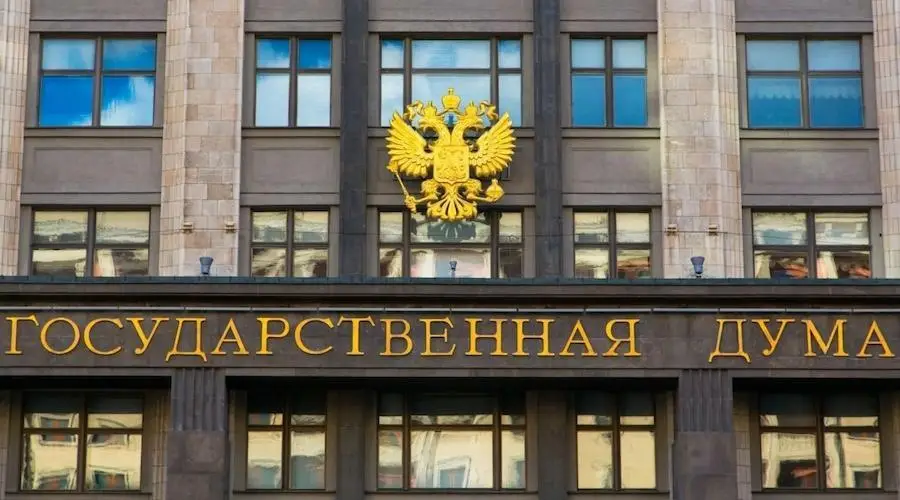
The State Duma Committee on the Financial Market has proposed to ensure judicial protection for all cryptocurrency holders, regardless of whether their assets are declared to the tax authorities. The type of wallet used for storing these assets—be it custodial or non-custodial—does not matter.
The committee’s proposals were published in a conclusion regarding the government bill “On Digital Currency and Digital Rights.” Deputies opposed the stance of the Bank of Russia, which seeks to prohibit Russians from transferring cryptocurrency purchased in Russia to non-custodial wallets, meaning wallets to which only the owner has access, while the wallet operator or authorities do not. The Duma committee suggested that the law should outline the principles and mechanisms for utilizing such addresses.
In the current version of the bill, a Russian citizen can only seek judicial protection for cryptocurrency stored in a personal wallet after notifying the tax authorities about the assets. Citing Article 46 of the Constitution of the Russian Federation, which guarantees judicial protection to everyone, the deputies proposed removing this restriction.
Related Posts
The committee also highlighted the issue of discrepancies regarding the effective date of the future law. Starting July 1, banks will be required to refuse Russian currency residents from making transfers to companies on a special list that the government intends to create—after the bill is approved by parliament and the president. Meanwhile, the provision mandating residents to conduct cryptocurrency transactions only through licensed platforms will not take effect until July 1, 2027. The committee believes that the one-year gap between these dates may drive market participants underground due to the lack of an established legal infrastructure. This could lead to operations “outside the legal framework of the Russian Federation,” the authors of the conclusion expressed concern.
Overall, the financial committee supported the bill and recommended its adoption in the first reading. According to the committee’s head, Anatoly Aksakov, the document will be revised for the second reading, taking into account the suggestions from market participants.
The Bank of Russia opposes the widespread use of non-custodial crypto wallets, deeming the absence of a ban as “irresponsible.” The Central Bank insists that all cryptocurrency transactions should occur through platforms that require registration and KYC (know your customer) verification. Non-custodial wallets are separate programs or hardware devices, including cold wallets, and do not necessitate the creation of an account on a centralized platform or undergoing KYC.
Previously, the State Duma Committee on Competition Protection and the Association of Russian Banks also called for the easing of certain requirements in the bill for market participants.
