Disclaimer: Information found on CryptoreNews is those of writers quoted. It does not represent the opinions of CryptoreNews on whether to sell, buy or hold any investments. You are advised to conduct your own research before making any investment decisions. Use provided information at your own risk.
CryptoreNews covers fintech, blockchain and Bitcoin bringing you the latest crypto news and analyses on the future of money.

The head of the Bank for International Settlements identified the primary risk associated with stablecoins., 2026/04/20 16:43:28

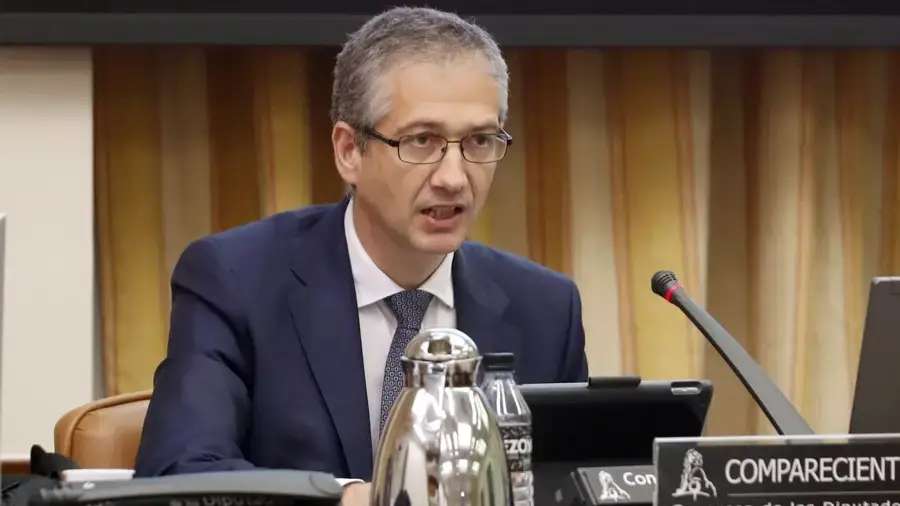
The head of the Bank for International Settlements (BIS), Pablo Hernández de Cos, stated that dollar-pegged stablecoins pose a significant threat to global financial stability. He believes that the increasing market capitalization of stablecoins enables them to compete with fiat currencies.
Speaking at a seminar hosted by the Bank of Japan in Tokyo, de Cos urged that stablecoins should not be regarded as a means of payment, despite their potential for facilitating faster international transfers. The central banker views the largest dollar stablecoins—USDT issued by Tether and USDC from Circle—as having characteristics of investment products rather than national currencies.
Related Posts
To convert them into actual dollars from the issuer, one must pay a fee and meet redemption conditions in the primary market, while in the secondary market, stablecoins may lose their dollar peg, de Cos emphasized. He believes that stablecoins share more similarities with exchange-traded funds (ETFs) than with real money; however, they are susceptible to the risk of mass withdrawals. Given that stablecoins are often backed by short-term bonds and bank deposits, a potential outflow of funds from stablecoins could compel issuers to liquidate their reserves. This would heighten market tensions and increase pressure on banks, potentially triggering a financial crisis, de Cos warned.
The BIS head announced that the use of open, uncontrolled blockchains and non-custodial wallets allows for the circumvention of anti-money laundering (AML) and counter-terrorism financing (CFT) measures. This enhances the appeal of stablecoins to criminals—if specific security measures are not implemented during the exchange of crypto assets for fiat money and vice versa, concluded the head of the BIS.
Previously, the Banking Policy Institute (BPI), in collaboration with the American Bankers Association (ABA) and the Consumer Bankers Association (CBA), expressed concerns that stablecoins could disrupt banking operations if token issuers were able to indirectly pay interest to users.
