Disclaimer: Information found on CryptoreNews is those of writers quoted. It does not represent the opinions of CryptoreNews on whether to sell, buy or hold any investments. You are advised to conduct your own research before making any investment decisions. Use provided information at your own risk.
CryptoreNews covers fintech, blockchain and Bitcoin bringing you the latest crypto news and analyses on the future of money.

In the United States, requirements for cryptocurrency platforms to register as broker-dealers have been clarified., 2026/04/14 14:55:47

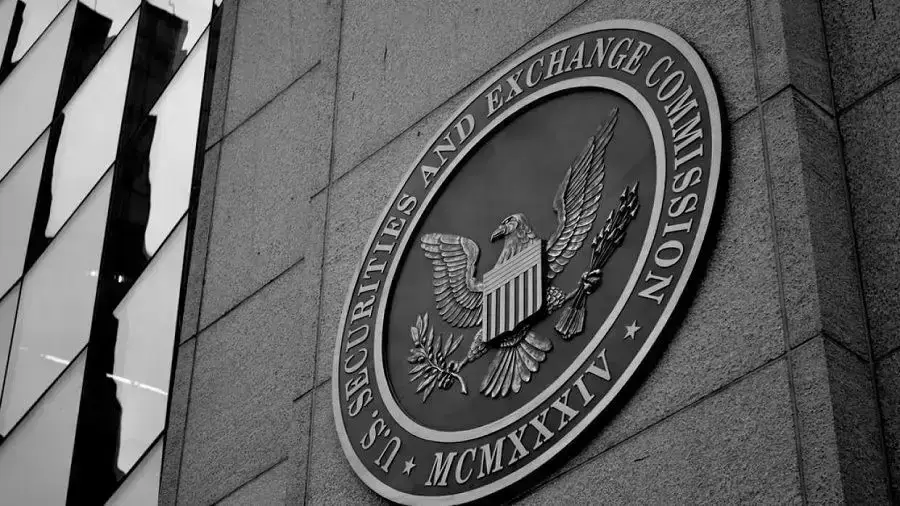
The U.S. Securities and Exchange Commission (SEC) has clarified the circumstances under which decentralized finance (DeFi) applications and cryptocurrency wallets are not required to register as broker-dealers and when such actions will not be deemed violations of securities laws.
The SEC has defined a “cryptocurrency user interface” as an interface designed for users to conduct transactions involving crypto assets and securities based on blockchain or smart contracts, utilizing the user’s own wallet.
Related Posts
To avoid registration as a broker, these platforms must allow clients full control over transaction settings related to the buying or selling of crypto assets. They must not promote specific trades, provide commentary on potential order execution options, or label any option as “best” or “most reliable.” Platforms are prohibited from controlling market information and securities transactions in any manner, as well as making decisions regarding transactions; otherwise, the SEC will classify such platforms as brokers.
The SEC also specified disclosure requirements. Platforms must clearly indicate fees for each transaction involving crypto assets, whether as a fixed charge or a percentage of transactions. Providers of cryptocurrency interfaces are advised to inform clients about risks and potential conflicts of interest associated with cryptocurrency transactions. This is intended to ensure transparency in operations without broker registration, the agency explained.
Platforms are not permitted to hold client funds, execute trades on behalf of clients, or provide financial advice, the SEC insists. They also cannot negotiate trade terms or directly manage users’ assets.
Organizations must register as broker-dealers in the following situations:
-
if they negotiate trade terms; attract clients to engage in transactions with crypto assets;
-
engage in financing arrangements;
-
process trading documentation;
-
conduct independent asset evaluations;
-
handle the custody and management of securities or stablecoins;
-
perform settlement of transactions,
-
accept and route orders.
The agency clarified that these are only temporary guidelines, effective for the next five years unless amended or revoked sooner. The regulator announced its readiness to accept feedback from interested parties on these proposals to adjust its regulatory approach to the cryptocurrency market.
Last year, the U.S. Commodity Futures Trading Commission (CFTC) allowed the Phantom cryptocurrency wallet to operate without a broker license, as it serves as a software provider and does not engage in trade execution.
