Disclaimer: Information found on CryptoreNews is those of writers quoted. It does not represent the opinions of CryptoreNews on whether to sell, buy or hold any investments. You are advised to conduct your own research before making any investment decisions. Use provided information at your own risk.
CryptoreNews covers fintech, blockchain and Bitcoin bringing you the latest crypto news and analyses on the future of money.

Stellar and PwC release guidelines for evaluating blockchain initiatives in emerging markets.

The Stellar Development Foundation, the creators of the Stellar network, has introduced a financial inclusion framework aimed at assessing the effectiveness of blockchain initiatives in emerging markets. This framework was developed in collaboration with consultants PricewaterhouseCoopers International (PwC) and detailed in a white paper released on September 25.
According to the findings derived from this framework, the teams determined that blockchain payment solutions significantly enhance access to financial services by reducing fees to 1% or lower. They also discovered that blockchain offerings have accelerated payment processing and assisted users in mitigating the effects of inflation.
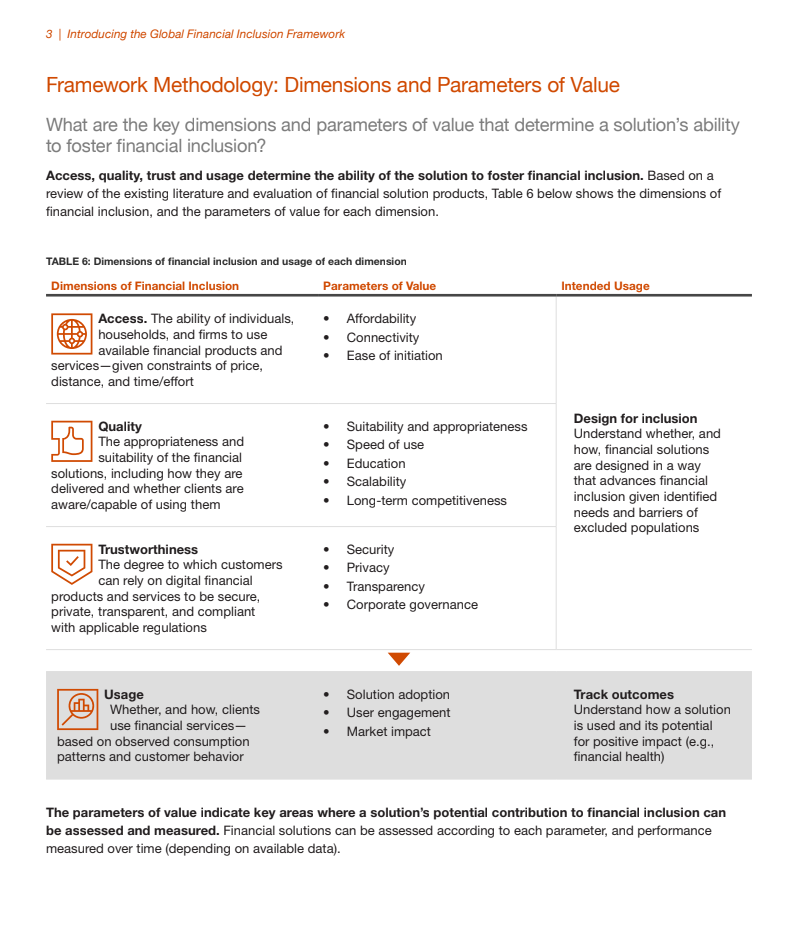 Financial inclusion framework parameters. Source: Stellar, PwC.
Some blockchain developers assert that their solutions can improve “financial inclusion.” In essence, they claim their offerings can deliver services to unbanked individuals residing in developing regions. Making such assertions has proven to be a successful strategy for certain Web3 projects to secure funding. For instance, the United Nations International Children’s Emergency Fund (UNICEF) has identified eight blockchain initiatives that it has supported financially based on this premise.
Nonetheless, in their paper, Stellar and PwC contended that projects may not succeed in enhancing financial inclusion if they lack a framework to evaluate the necessary components for success. “As with any technological innovation, the need for robust governance and responsible design principles are key to successful implementation,” they stated.
To promote this governance, the two teams proposed a framework to assess whether a project is likely to advance financial inclusion. This framework comprises four parameters: access, quality, trust, and usage. Each of these parameters is further divided into additional sub-parameters. For instance, “access” is subdivided into affordability, connectivity, and ease of initiation.
Related Posts
Each sub-parameter explanation includes a suggested method for measurement. For example, Stellar and PwC propose using “# of CICO [cash in/cash out] locations within relevant target population region” as a metric for assessing the “connectivity” aspect. This aims to ensure that projects can quantitatively evaluate their effectiveness rather than relying on assumptions.
The teams also recommended a four-phase evaluation process that projects should follow to address a financial inclusion challenge. In the initial phase, the project should define a solution, target demographic, and pertinent jurisdiction. In the second phase, they should identify obstacles hindering the target demographic from accessing financial services. In the third phase, they should utilize “level charts and guidance” to pinpoint the most significant barriers to user onboarding. Finally, in the last phase, they should implement solutions that “prioritize key parameters” to optimize the utilization of funds.
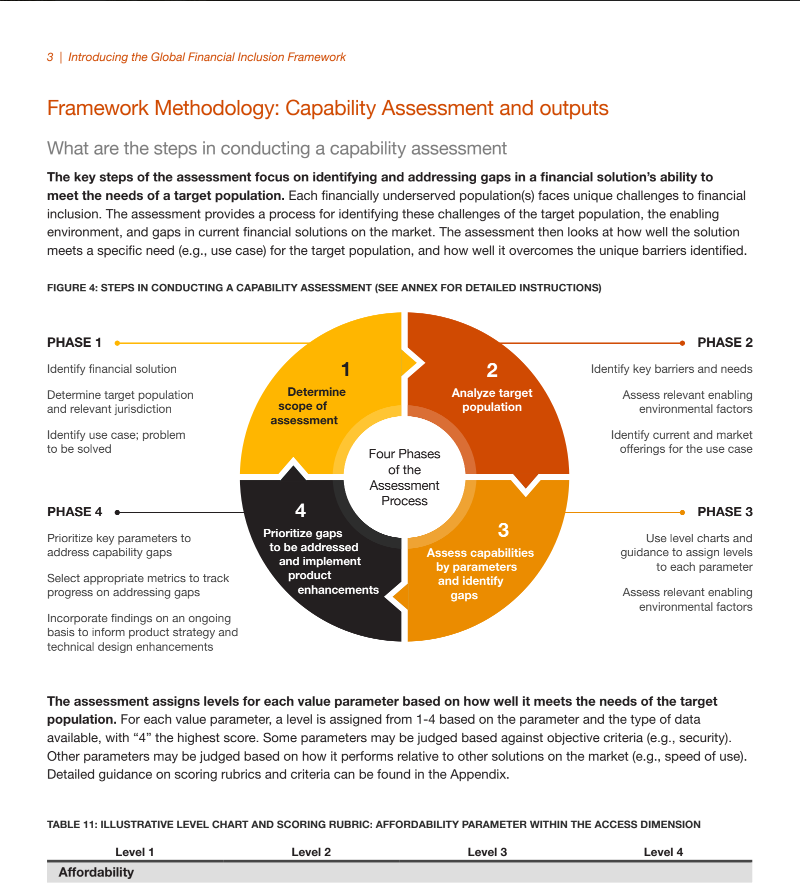 Phases to implement financial inclusiveness framework. Source: Stellar, PwC.
Utilizing this framework, the teams identified at least two blockchain solutions that have demonstrated effectiveness in promoting financial inclusion. The first is payments. The teams observed that conventional financial applications charge an average of 2.7-3.5% for transferring money between the United States and the studied market, while blockchain-based solutions charged 1% or less, based on an analysis of 12 applications operating in Colombia, Argentina, Kenya, and the Philippines. They found that these applications expanded access by making electronic payments available to individuals who otherwise could not afford them.
The second effective solution identified was savings. The team noted that a stablecoin application in Argentina enables users to invest in a digital asset resistant to inflation, assisting them in preserving their wealth when they might otherwise have lost it.
Related: Argentine presidential candidate wants CBDCs to ‘solve’ hyperinflation
The Stellar network has been at the forefront of payment inclusion in underserved financial markets. In December, it announced a program to assist charitable organizations in distributing funds to support Ukrainian refugees fleeing conflict. On September 26, they revealed a partnership with Moneygram to create a non-custodial crypto wallet that can be utilized in over 180 countries. However, some financial and monetary experts have raised concerns regarding the use of cryptocurrency in emerging markets. For example, a paper published by the Bank of International Settlements on August 22 argued that cryptocurrency has “amplified financial risks” in emerging market economies.
