Disclaimer: Information found on CryptoreNews is those of writers quoted. It does not represent the opinions of CryptoreNews on whether to sell, buy or hold any investments. You are advised to conduct your own research before making any investment decisions. Use provided information at your own risk.
CryptoreNews covers fintech, blockchain and Bitcoin bringing you the latest crypto news and analyses on the future of money.

El Salvador adopted Bitcoin as legal tender in September 2021. Since then, significant developments have occurred in the crypto sphere, including a mini bull market and a strong bear market. While much media coverage has labeled the Bitcoin move as deadly for the country, this article examines the actual situation.
El Salvador’s total investment in Bitcoin
First, let us summarize the major official investments made by the Salvadoran government in Bitcoin. These investments were primarily reported by the country’s president, Nayib Bukele, a polarizing figure who is both loved and hated by the Bitcoin and crypto community.
Using the Nayib Bukele Portfolio Tracker, we can analyze the trades executed by the Salvadoran government. The president tweeted about 10 trades; the first occurred on September 6, 2021, when he purchased 200 bitcoins at an average price of $51,769.06. The last tweet reported a purchase of 500 bitcoins on May 9, 2022, at an average price of $30,744.00.
In total, the Salvadoran government has declared the acquisition of 2,301 bitcoins at an average price of $45,908.42, totaling $105,635,283.47. As of the time of writing this article (June 23, 2022), the current value of this investment is estimated at $46,659,355.86. This represents a relative loss of approximately $58,975,927, or 55.83%.
Regarding this aspect, the current situation in El Salvador appears negative. However, this investment was never intended for the short term. Nayib Bukele initiated a global movement aimed at shifting the balance of power toward a neutral, decentralized currency not controlled by a foreign government, unlike the US dollar.
The total Bitcoin investment represents an estimated 3% to 5% of El Salvador’s total reserves. Contrary to many media reports, El Salvador is not at risk in this bear market, even if Bitcoin continues to decline.
Bitcoin adoption in the country

Now that we understand the numbers behind the Bitcoin investment, let us examine whether this is truly changing the lives of people in the country. We will refer to the latest available study from April 2022: Are cryptocurrencies currencies? Bitcoin as legal tender in El Salvador.
The first critical finding is that most people who downloaded the Chivo wallet—the national wallet created by the government to drive mass adoption—did not use it after utilizing the $30 bonus intended to boost adoption.
“The median user reports no ATM withdrawals or payments sent or received in bitcoins in a given month,” the report stated. Less than 60% of citizens with internet-enabled cell phones have downloaded the Chivo Wallet.
According to the report, Chivo is not widely used to receive remittances from abroad. These figures align with recent reports from the Central Bank of El Salvador, which indicated that only 1.6% of remittances were received through digital wallets in February. Remittances are a crucial data point in this context, as they were one of the president’s key arguments for adopting Bitcoin.
“In the first quarter of 2022, we found almost no new adopters and the share of bitcoin remittances is at its lowest point since the launch of the Chivo Wallet,” the report informed. The study also suggested that 40% of all downloads occurred in September 2021, with virtually no downloads recorded in 2022.
Another important point raised in the report is that the Chivo wallet is not effectively used for receiving remittances. Both the report and the Central Bank declared that only 1.6% of remittances were received through digital wallets in February 2022. Approximately 70% of Salvadorans receive remittances.
President Bukele frequently stated that companies charged high fees for remittances when introducing Bitcoin as legal tender. He estimated that Salvadorans would save up to $400 million annually by using Bitcoin as a remittance channel.
We also understand that Bitcoin’s strong price volatility is difficult for users in El Salvador to endure. According to Salary Explorer, the salary range in the country spans from $430 to $7,610, with an average of $1,710 per month. This indicates that lower-income earners cannot easily withstand a 50% reduction in their salaries.
A unique tourist attraction

Related Posts
Even though domestic adoption has been complicated, El Salvador has gained an international reputation as the first country where everything can be paid for in Bitcoin.
This status, combined with the country’s beautiful beaches, has created a massive boom in tourism, attracting both crypto investors and curious travelers eager to see if it is really possible to pay for a Big Mac in Bitcoin.
According to the Minister of Tourism, Morena Valdez, the country saw a 30% increase in visitors since the adoption of Bitcoin. Of these tourists, 60% come from the United States, where Bitcoin is particularly popular and accepted, especially in pro-Bitcoin states like Florida and Texas.
“We had projected $800,000 in foreign exchange, but we obtained more than $1,400 million in foreign currency income,” the Minister of Tourism explained.
This Bitcoin-driven tourism is reshaping the country. This is visible on many of its stunning beaches, where restaurants and hotels are changing their names to include the word “Bitcoin,” and almost all tourist facilities now accept the currency.
Some businesses declare that they immediately convert Bitcoin to dollars, using it merely as a tool to attract tourists rather than as a real currency. Others believe in the project and the president’s vision.
Other reforms in El Salvador
El Salvador is currently benefiting from its popularity as a new crypto destination. Many investors are also waiting for the finalization of the citizenship-by-investment program promised by the president, which initially proposed offering citizenship to any investor willing to invest 3 BTC in the Salvadoran economy.
Another major announcement was the so-called “volcano bonds.” The name refers to the use of geothermal energy from volcanoes to generate clean energy for Bitcoin mining. Initially described as sovereign bonds, they have recently been characterized as securitized corporate bonds. According to the Minister of Finance and the president, these bonds are currently on hold, with delays officially attributed to the conflict between Russia and Ukraine and the bear market in the crypto economy.
Lastly, “Bitcoin City” is the major project announced by the president of El Salvador in November 2021. President Bukele posted images on Twitter showing a large Bitcoin sign in the center, a seaside location, many trees, and a unique city layout. Bukele declared, “In this Bitcoin City, we will have digital and technological education. Geothermal energy for the entire city and efficient, sustainable public transportation. (…) Invest here and make all the money you want. It will be a completely ecological city, which will operate and be powered by a volcano.”
So far, none of these projects have officially commenced.
El Salvador influences other countries
While most observers expected another Latin American country, such as Panama or Venezuela, to follow El Salvador’s path, the Central African Republic surprised everyone with its rapid adoption of Bitcoin as legal tender.
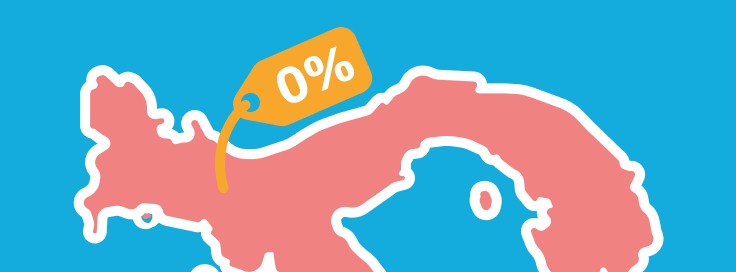
However, the story is not just about Bitcoin and its adoption. Many South and Central American countries have developed or are developing new regulations to allow people to pay, receive, and use cryptocurrencies. For instance, Brazil adopted a law allowing people to buy real estate with cryptocurrency, while Panama is set to officially become a tax haven in the Americas with a 0% tax on capital gains for cryptocurrencies.
Meanwhile, Argentina’s population is aggressively adopting cryptocurrencies to cope with strong inflation in the country. The IMF is putting significant pressure on the Argentine government to slow down crypto adoption. Similar practices by the IMF were also observed toward El Salvador, but the country decided to ignore their warnings.
Lastly, in May, El Salvador invited central bankers and financial authorities from 44 countries to attend a financial inclusion event focused on Bitcoin. This mega-event was attended primarily by countries from Africa and South America.
Conclusion
El Salvador is not currently undergoing a monetary revolution through Bitcoin. Nevertheless, much has changed since 2021, and the country is slowly moving toward a new model. Compared to most countries in the world, adoption is higher, the government and regulators are open to change, and the president’s biggest victory was putting El Salvador on the global media map. The biggest threat for the country is strong pressure from international financial authorities regarding their Bitcoin adoption, but the government appears confident in its strategies and future plans.
