Disclaimer: Information found on CryptoreNews is those of writers quoted. It does not represent the opinions of CryptoreNews on whether to sell, buy or hold any investments. You are advised to conduct your own research before making any investment decisions. Use provided information at your own risk.
CryptoreNews covers fintech, blockchain and Bitcoin bringing you the latest crypto news and analyses on the future of money.

South Korean Authorities Aim to Prevent Traders from Offloading Stolen Cryptocurrency on Local Exchanges

South Korean authorities aim to prevent traders from offloading stolen cryptocurrencies on the nation’s exchanges.
This initiative follows earlier reports this month, where officials expressed their desire to prohibit trading platforms from listing tokens that have been compromised.
According to News1, the Financial Supervisory Service (FSS) and the Financial Services Commission (FSC) are taking action after a suspected breach on the NFPrompt (NFP) platform last month.
It has been alleged that a South Korean trader knowingly acquired NFP coins from a hacker, which were subsequently “dumped” on the Coinone exchange.
South Korean Regulators Address Hack Claims
On March 28, members of the South Korean crypto community expressed their anger over reports that a local investor allegedly “purchased stolen assets from a hacker in an over-the-counter [OTC] transaction.”
The investor reportedly made a social media post indicating they may have knowingly acquired coins that originated from the hack. They acknowledged participating in an OTC transaction.
In the now-deleted post, this investor raised concerns regarding Coinone’s liquidity and its ability to handle a significant NFP transaction.
The investor also seems to have used a derogatory term to refer to Coinone’s CEO and Founder, Cha Myung-hoon.
Exchange and Regulators Take Action
In response, Coinone added NFP to its list of “investment cautionary coins,” citing “security concerns” as the primary reason.
Regulators have also committed to investigating the transaction and further allegations of price manipulation.
NFP prices experienced a sharp decline on April 28, with authorities questioning the impact of the sale on the token.
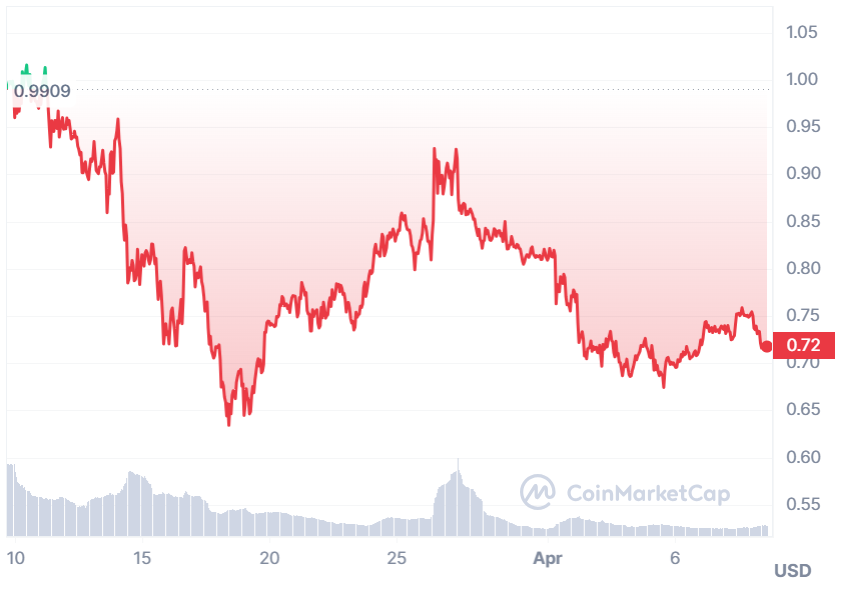 NFPrompt prices over the past month. (Source: CoinMarketCap)
Related Posts
Regulators are currently revamping systems related to “unfair transactions” in preparation for the implementation of the Virtual Asset User Protection Act in July.
They have instructed domestic exchanges to establish “abnormal transaction systems” capable of identifying “illegal” or suspicious activities.
ATTENTION $NFP Holders:
We are writing to inform you of a critical security incident involving NFPrompt. It was discovered that a group of hackers compromised some wallets, including those of NFP’s contract administrators.
They illegally gained control of victims’ funds,… pic.twitter.com/ZeQXLruvTW
— NFP (@nfprompt) March 15, 2024
An unnamed regulator informed News1 that a comprehensive investigation into the “NFP coin incident” would be initiated if the FSC or FSS suspected that the trader acquired the coins through “illegal means.” The regulator stated:
“We can also look into whether it is possible to involve law enforcement agencies if these coins were stolen.”
Domestic exchanges indicated they are “in the process of establishing a system to prevent unfair practices.”
Coinone Continues Discussions with Foundation Regarding Suspected Hack
Coinone, for its part, stated that an “internal review” is ongoing to determine whether the leak of the NFPrompt foundation’s assets “was an accident caused by hacking.”
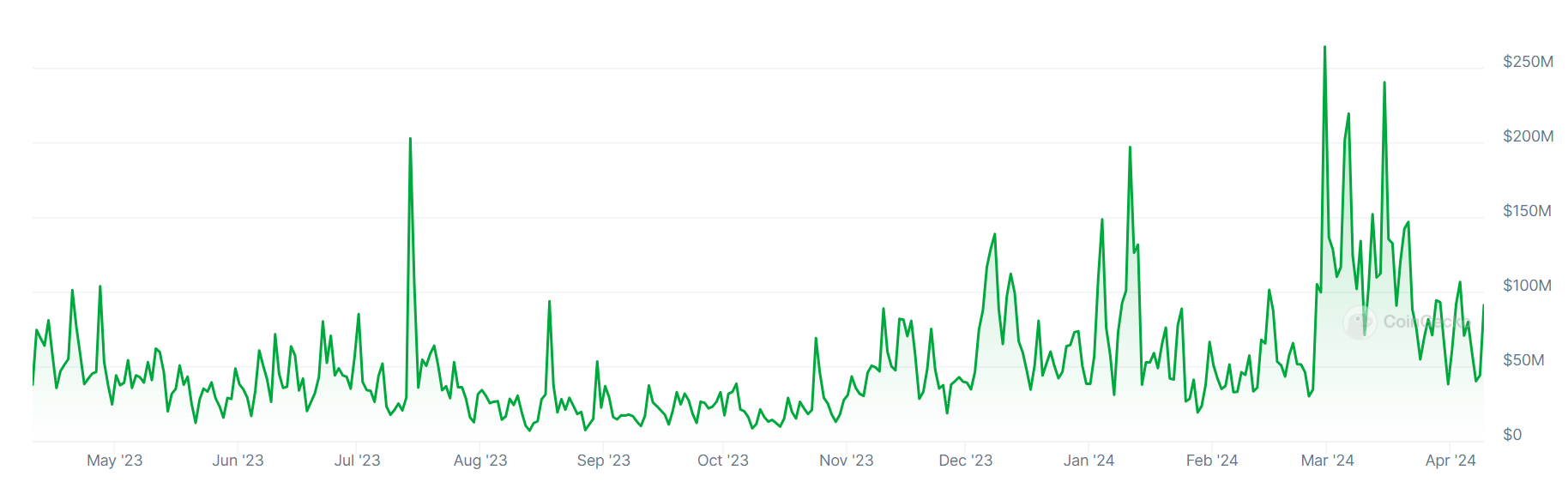 12-month crypto trading volumes on the Coinone exchange. (Source: CoinGecko)
The platform mentioned it would “continue to hold discussions with the foundation” as it seeks to “determine” the facts surrounding the incident.
South Korean regulators have indicated plans to “create exceptional provisions for bans on deposits and withdrawals” on exchanges.
They aim to establish industry-wide standards that facilitate all exchanges in “communicating” information about potentially illegal transactions.
Such measures are expected to create a rapid response mechanism to be activated across all exchanges following hacks and other breaches.
OTC transactions have also come under scrutiny in South Korea, with regulators pledging to take action after police reported numerous cases of thefts related to OTC activities.
The post South Korean Regulators Want to Stop Traders Dumping Stolen Coins on Domestic Exchanges appeared first on Cryptonews.
