Disclaimer: Information found on CryptoreNews is those of writers quoted. It does not represent the opinions of CryptoreNews on whether to sell, buy or hold any investments. You are advised to conduct your own research before making any investment decisions. Use provided information at your own risk.
CryptoreNews covers fintech, blockchain and Bitcoin bringing you the latest crypto news and analyses on the future of money.


The Russian government has set a limit on monthly electricity consumption for “private” or “home-based” crypto mining at 6,000kWh.
According to RBC, miners exceeding this threshold will be required to apply for a specific “individual entrepreneurial” license.
Crypto Mining Electricity Usage Limits: New Regulations in Russia
As per two crypto mining-related laws that took effect on November 1, crypto mining is now recognized as a legitimate business activity in Russia.
Nonetheless, miners consuming less than 6,000kWh of energy each month will not need to register their operations with the authorities.
Those utilizing more than this amount, however, must seek a permit from the Federal Tax Service.
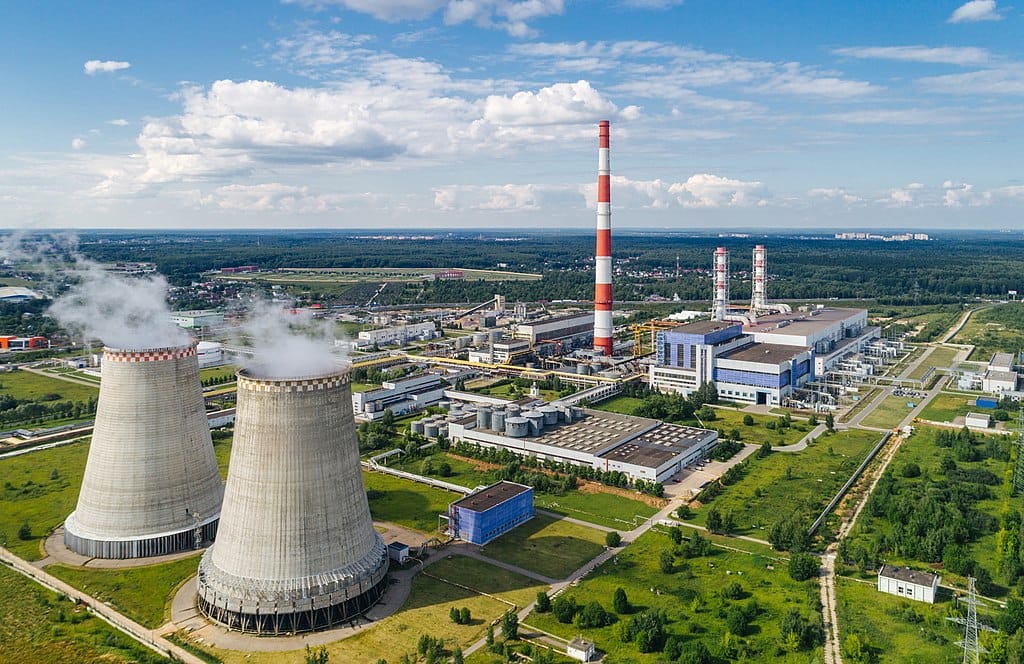 A power plant in the Moscow region. (Source: Mosenergo/Anna Samarina [CC BY-SA 3.0])
Miners who surpass the limit are also required to “independently” submit “data” regarding the cryptocurrency they mine and “the addresses of the wallets” where their coins are stored to the tax authority.
Anton Gorelkin, the Deputy Chairman of the State Duma’s Committee on Information Policy, Information Technology, and Communications, was reported stating that “access to” a central registry of miners “will be strictly official.”
This seems to contradict earlier remarks from officials who indicated that much of the information in the registry would be publicly accessible.
Gorelkin is one of the co-authors of the Duma’s mining legislation. He asserted that the government would prohibit the “publication of information” from the registry.
The lawmaker has previously indicated that this measure would assist miners and Russian companies utilizing crypto as a payment method in evading Western sanctions.
More from my interview with Alexander Lukashenko (23 October) at the BRICS summit in Kazan. In 2021 he’d told me there were no political prisoners in Belarus. Different message this time. Plus his thoughts on Putin, N Korean troops & nuclear missiles. Producer @LizaShuvalova pic.twitter.com/epIJ2j5yww
— Steve Rosenberg (@BBCSteveR) November 2, 2024
Related Posts
Restricted Access
Gorelkin mentioned that “only government agencies” will have the ability to access data from the registry, utilizing an “interdepartmental interaction system.”
Among those authorized to access miners’ wallet addresses will be the anti-money laundering agency Rosfinmonitoring.
Other entities permitted to request access include the Federal Security Service (FSB) and the Federal Property Management Agency, along with the prosecution and police authorities.
According to the new regulations, miners who provide “false” information or breach anti-money laundering laws will be excluded from the registry.
Whether China, Russia, North Korea and Iran constitute a new “axis” or not, their strengthening ties pose an ominous threat (via @opinion) https://t.co/eCPG8yrWDV
— Bloomberg Economics (@economics) November 2, 2024
Focus on Bitcoin and Ethereum
The government will also prohibit miners located in regions that have implemented mining bans.
The new regulations additionally prevent individuals who have declared bankruptcy from registering.
Moscow will also restrict individuals in these categories from “joining” specific crypto “mining pools,” as reported by the media outlet.
Experts in Russian industrial crypto mining assert that at least 90% of significant players mine Bitcoin (BTC).
However, various sources indicate that a substantial number of Russian home-based miners concentrate on Ethereum (ETH).
The post Russia Caps Private Crypto Mining Electricity Usage at 6,000kWh Per Month appeared first on Cryptonews.
