Disclaimer: Information found on CryptoreNews is those of writers quoted. It does not represent the opinions of CryptoreNews on whether to sell, buy or hold any investments. You are advised to conduct your own research before making any investment decisions. Use provided information at your own risk.
CryptoreNews covers fintech, blockchain and Bitcoin bringing you the latest crypto news and analyses on the future of money.


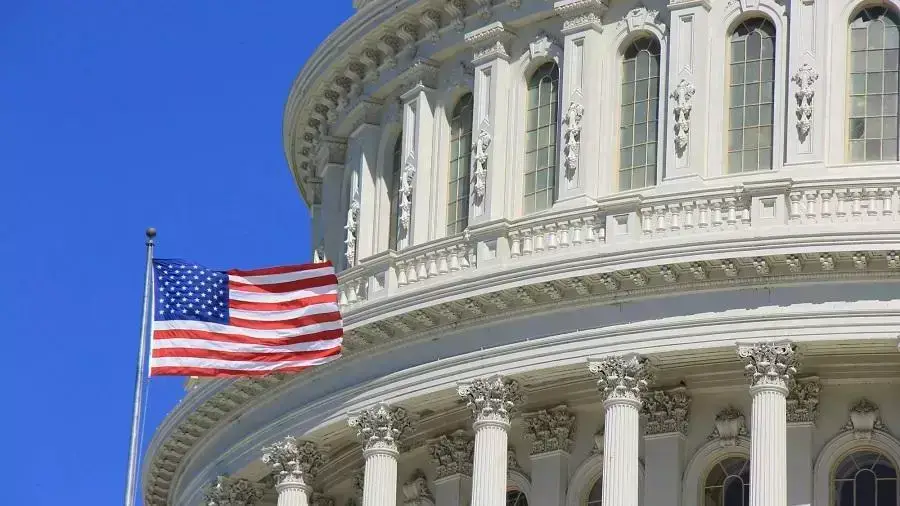
The Missouri House of Representatives Commerce Committee has approved a bill aimed at establishing a local state cryptocurrency fund, with six members voting in favor and two against.
The legislation was introduced by Republican Senator Ben Keathley from Missouri. The proposal suggests that the state treasury begin investing budget funds in Bitcoin, Ethereum, SOL, XRP, and the USDC stablecoin from Circle.
The bill outlines that the state will be able to receive cryptocurrencies as donations from individuals and governmental entities. State authorities will be permitted to accept USDC for the payment of taxes, fees, and fines. The document stipulates that the Missouri treasury will have the authority to hold acquired digital assets for a minimum of five years. Subsequently, as needed, authorities will be able to sell and convert the cryptocurrencies held in the state reserve, according to the document.
Related Posts
The bill’s author proposes to prohibit the treasury from engaging in transactions involving foreign organizations. To ensure the security of reserve crypto assets, local authorities are allowed to establish relationships with third-party custodial services.
The committee’s support serves only as a recommendation for the House of Representatives to approve the bill.
In 2024, a bill was introduced in Missouri that bans the use of central bank digital currencies (CBDCs) for payments. Republican Senator Rick Brattin, who is the author of the initiative, expresses concerns that a digital dollar could be tightly controlled by the government and infringe on the privacy of Americans.
