Disclaimer: Information found on CryptoreNews is those of writers quoted. It does not represent the opinions of CryptoreNews on whether to sell, buy or hold any investments. You are advised to conduct your own research before making any investment decisions. Use provided information at your own risk.
CryptoreNews covers fintech, blockchain and Bitcoin bringing you the latest crypto news and analyses on the future of money.

Lagarde Departure Report Sparks Inquiries Regarding Digital Euro Schedule and Stablecoin Strategy

Christine Lagarde may not remain in her position until 2027. Reports indicate that the ECB president is considering an earlier departure.
If this occurs, it would not merely be a change in personnel. It could disrupt the timeline for the digital euro and the regulation of stablecoins just as MiCA regulations begin to take effect.
A leadership transition at this juncture would introduce additional uncertainty into Europe’s cryptocurrency strategy.
Key Takeaways
- Early Departure: Lagarde is reportedly contemplating leaving before October 2027 to coincide with the French presidential elections.
- Succession Race: Leading candidates include Klaas Knot, the head of the Dutch central bank, and Pablo Hernández de Cos from Spain.
- Project Risk: A leadership change poses a risk to the continuity of the digital euro initiative and oversight of euro-stablecoins.
Why Is The Timing Critical for Crypto?
Lagarde has been a key advocate for the ECB’s digital initiatives. Since 2019, she has advanced the digital euro from concept to formal examination. Now, as MiCA stablecoin regulations are nearing completion, her potential departure comes at a crucial time.
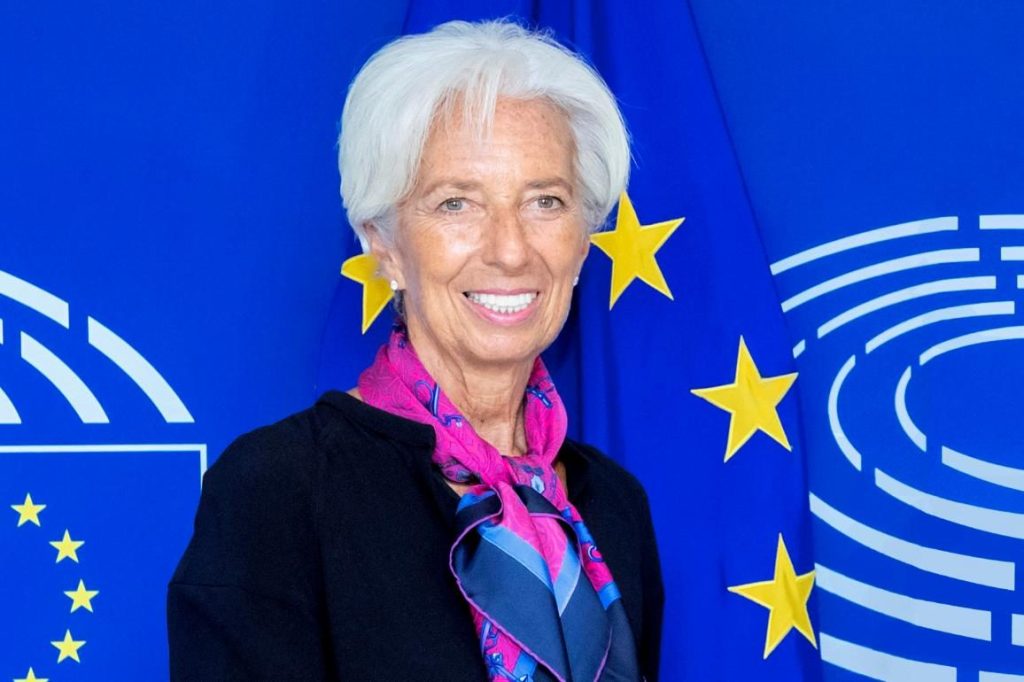 Source: Christine Lagarde
Without her leadership, the narrative surrounding sovereign payments may weaken. There are also political implications. Timing her exit with the April 2027 French election could allow President Macron to influence the selection of her successor.
The primary concern is a potential shift in policy direction. A new ECB president might revert to traditional tightening measures, which could hinder progress on the digital euro. This would create more opportunities for private stablecoins to occupy the space.
Who Could Take The Reins?
Related Posts
Publicly, the ECB asserts that she is entirely dedicated to her role. However, the timing being discussed implies that this is more than mere speculation. The intention appears to be to resign before political changes in France and Germany complicate matters.
Names are already being mentioned, including Pablo Hernández de Cos from Spain, Klaas Knot from the Dutch central bank, and even Bundesbank president Joachim Nagel.
Glad to welcome @BIS_org General Manager Pablo Hernández de Cos back to the @ecb today.
We had a good discussion on the latest economic developments. pic.twitter.com/NiOrDgbMRV— Christine Lagarde (@Lagarde) February 11, 2026
Officially, nothing has been confirmed. ECB executive Piero Cipollone states he is unaware of any plans for an early exit. Nevertheless, markets typically account for political risks before they are formally announced.
With 21 eurozone countries needing to approve a successor, the new leader could greatly influence Europe’s approach to cryptocurrency and the digital euro.
What Happens to the Digital Euro?
A leadership void would place the digital euro in a precarious position. The initiative is already encountering resistance from banks and privacy advocates. Without Lagarde’s push, momentum could quickly diminish.
This situation arises as stablecoin liquidity is rapidly changing. If the ECB delays in establishing a viable euro alternative to US dollar tokens, private entities will not hesitate to act.
Simultaneously, the US and other major economies are advancing their cryptocurrency frameworks. Europe cannot afford to slow down. Leadership uncertainty seldom supports long-term institutional initiatives.
Discover: Here are the crypto likely to explode!
The post Lagarde Exit Report Raises Questions Over Digital Euro Timeline and Stablecoin Policy appeared first on Cryptonews.
