Disclaimer: Information found on CryptoreNews is those of writers quoted. It does not represent the opinions of CryptoreNews on whether to sell, buy or hold any investments. You are advised to conduct your own research before making any investment decisions. Use provided information at your own risk.
CryptoreNews covers fintech, blockchain and Bitcoin bringing you the latest crypto news and analyses on the future of money.


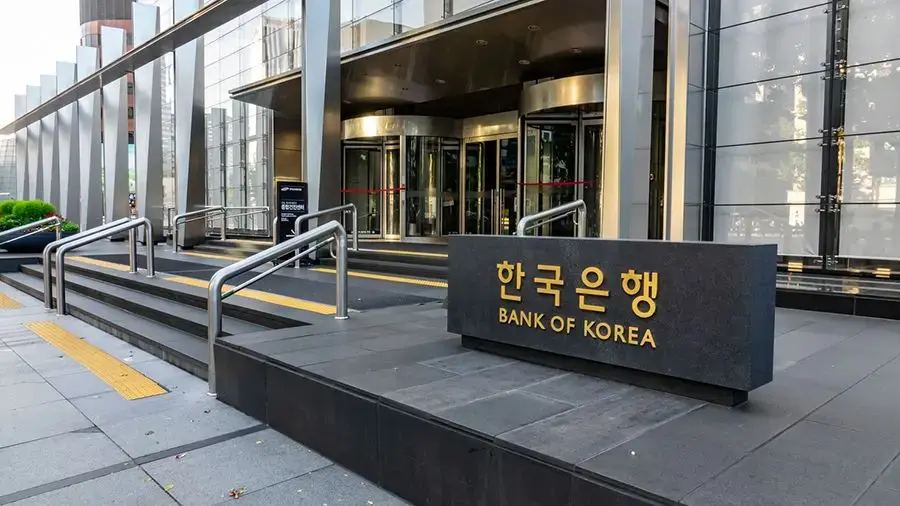
The Bank of Korea has initiated the second phase of the Hangang project, which focuses on testing its own central bank digital currency (CBDC) for payments and settlements, as well as for distributing government subsidies. The pilot program utilizes wholesale digital won and deposit tokens from commercial banks.
The central bank clarified that deposit tokens serve as an intermediary tool between CBDC and stablecoins. These are digital certificates issued by banks and utilized within the pilot program, but they are not directly issued by the central bank. The project aims to refine the mechanisms for subsidy payments and automated transactions based on artificial intelligence prior to the launch of a retail digital currency.
The first phase of testing involved commercial banks including KB Kookmin, Shinhan, Woori, Hana, NH Nonghyup, IBK Industrial, and BNK Busan Bank. For the second phase, Kyongnam Bank and iM Bank have joined the initiative. The project is being conducted in collaboration with the Financial Services Commission of South Korea (FSC) and the Financial Supervisory Service (FSS).
Related Posts
The initial phase of the Hangang project commenced in April 2025 and lasted nearly three months. During this period, 118,000 test transactions were executed. Out of 100,000 invited users, approximately 80,000 opened digital wallets, with a total payment volume of 692.46 million won ($461,000). These outcomes raised concerns among banks regarding the commercial viability of the project, given that the infrastructure development cost between 30–35 billion won ($20–23.3 million).
The second phase of testing has introduced new features: biometric identification via fingerprint for payment confirmation, direct transfers between digital wallets, and automatic top-ups from linked bank accounts with conversion of funds into deposit tokens.
A representative from the Bank of Korea stated that the Hangang project aims to enhance the efficiency of budgetary resource utilization and reduce administrative costs. Authorities are also considering the possibility of transferring a portion of the government budget ($499 billion) into the digital won infrastructure to test subsidy payment mechanisms.
In February, the Bank of Korea specified that the issuance of stablecoins pegged to the Korean won should be carried out by commercial banks, as they are under supervision and meet capital requirements.
