Disclaimer: Information found on CryptoreNews is those of writers quoted. It does not represent the opinions of CryptoreNews on whether to sell, buy or hold any investments. You are advised to conduct your own research before making any investment decisions. Use provided information at your own risk.
CryptoreNews covers fintech, blockchain and Bitcoin bringing you the latest crypto news and analyses on the future of money.


The top Japanese regulatory authority, the Financial Services Agency (FSA), appears poised to endorse changes in how the country regulates stablecoins and cryptocurrency brokerage firms.
According to an official FSA announcement and a report from the Japanese media outlet CoinPost, the regulator has “approved” a report from a working group assigned to propose reforms related to cryptocurrency legislation.
Crypto Brokerage Firms: Eased Regulations on the Horizon?
Currently, Japanese cryptocurrency brokerages are required to apply for the same type of virtual asset service provider (VASP) licenses as domestic cryptocurrency exchanges.
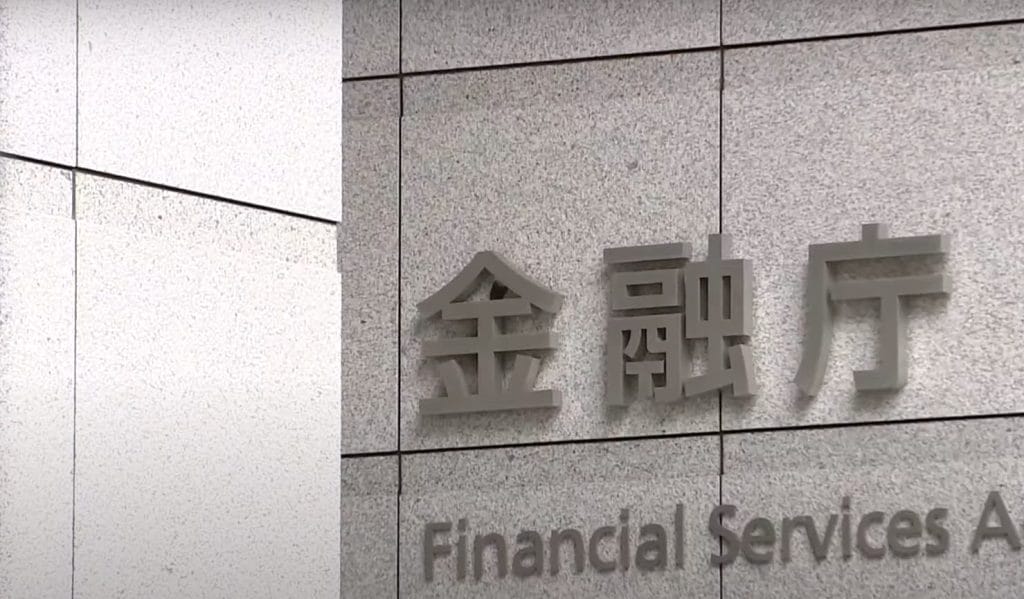 The headquarters of the Financial Services Agency in Tokyo, Japan. (Source: TBS News Dig Powered by JNN/YouTube)
The VASP application process is lengthy, technically (and financially) demanding, and highly stringent.
This situation has resulted in few Japanese companies interested in operating cryptocurrency brokerage services attempting to complete the application process.
However, critics argue that brokerages should not require full VASP licenses, as they are merely “intermediaries” and do not actually hold their clients’ cryptocurrencies.
The proposals from the working group reflect these criticisms. It suggests the establishment of “a new category” of “intermediary” crypto “services.”
Japan’s exports rose at a quicker pace in January as companies increased orders just ahead of Trump’s tariff measures https://t.co/Wm58dQqMy8
— Bloomberg Markets (@markets) February 19, 2025
This could mean that brokerages might anticipate new “streamlined” regulatory requirements and anti-money laundering measures.
This may shift the responsibility for consumer protection onto “exchanges and token issuers,” as well as cryptocurrency custody firms.
CoinPost noted that this could potentially “facilitate entry for a variety of players, such as gaming companies and wallet operators, into the market.”
Changes to Stablecoin Collateral Asset Regulations in Progress?
The working group also made recommendations concerning stablecoin-related policies. It proposed that the FSA accept “short-term government bonds and certain fixed-term deposits” as collateral, in addition to standard fiat deposits.
 The USD Coin (USDC) market cap over the past 12 months. (Source: CoinMarketCap)
The group recommended “an upper limit of 50%” on the amount of bonds and fixed-term deposits that stablecoin issuers could use as collateral.
This, the working group stated, would assist issuers in “striking a balance between enhanced convenience and security.”
The adjustment could potentially provide stablecoin issuers with greater flexibility when “managing their funds across various financial products.”
Related Posts
This, in turn, could expand stablecoin issuers’ opportunities “in terms of profitability and liquidity.”
However, the group added that regulators might need “additional mechanisms” to ensure “adequate” protections for “consumer safety.”
Japan’s corporate giants are exploring significant deals. Automakers Honda and Nissan, convenience store 7-Eleven’s owner, and others are testing waters both domestically and internationally. In this week’s Viewsroom podcast, @Breakingviews columnists discuss how far it might go https://t.co/oERdrspxbH
— Reuters (@Reuters) February 19, 2025
Consumer Protection Recommendations
The group also made suggestions aimed at enhancing customer protection in cryptocurrency exchanges.
It stated that “drawing lessons from the collapse of FTX in 2022,” regulators should implement “mechanisms” that “prevent domestic users’ cryptoassets from being transferred abroad, even if a foreign parent company goes bankrupt.”
FTX Japan clients were forced to wait two years to withdraw their funds after the platform’s operator, FTX, declared bankruptcy in November 2022.
Japanese regulators pledged at that time to ensure that a similar future bankruptcy would not leave domestic clients unable to access their funds.
Next Steps?
The FSA is now expected to prepare an official request for legal amendments to two key payment-related laws, the Trust Business Act and the Payment Services Act.
The working group has been discussing policy reform since August 2024. It was tasked with reviewing regulations not only related to cryptocurrency and stablecoins but also to other “remittance and payment services.”
Use of biofuel in Japan’s transportation sector is gaining attention as the country faces pressure to accelerate decarbonization efforts and achieve the government’s goal of net-zero carbon dioxide emissions by 2050. https://t.co/lDUlAKWZxD
— The Japan Times (@japantimes) February 19, 2025
Japanese law currently categorizes cryptoassets as digital payment instruments. However, Tokyo aims to change this and reclassify Bitcoin (BTC) and other coins as investment-related assets.
The government appears equally eager to reform cryptocurrency regulations amid claims that Tokyo has over-regulated the sector.
Some believe this has caused many of Japan’s leading cryptocurrency, blockchain gaming, and web3 companies to relocate abroad.
 The market cap of the USDT token over the past 12 months. (Source: CoinMarketCap)
The Japanese Finance Minister Katsunobu Kato recently discussed “creating an environment” where citizens can “utilize highly convenient remittance and settlement services while enjoying peace of mind.”
Several of Japan’s largest business groups have begun launching stablecoin solutions in recent months, alongside security token operations.
Some appear eager to replicate the success of USD-pegged stablecoins, which have experienced soaring adoption rates globally since the onset of the latest cryptocurrency bull market.
The post Japanese Regulator Ready to Approve Stablecoin, Crypto Brokerage Reforms appeared first on Cryptonews.
