Disclaimer: Information found on CryptoreNews is those of writers quoted. It does not represent the opinions of CryptoreNews on whether to sell, buy or hold any investments. You are advised to conduct your own research before making any investment decisions. Use provided information at your own risk.
CryptoreNews covers fintech, blockchain and Bitcoin bringing you the latest crypto news and analyses on the future of money.

Fraudsters promote tokens through panic-driven posts on social media, according to ZachXBT., 2026/03/23 12:33:22

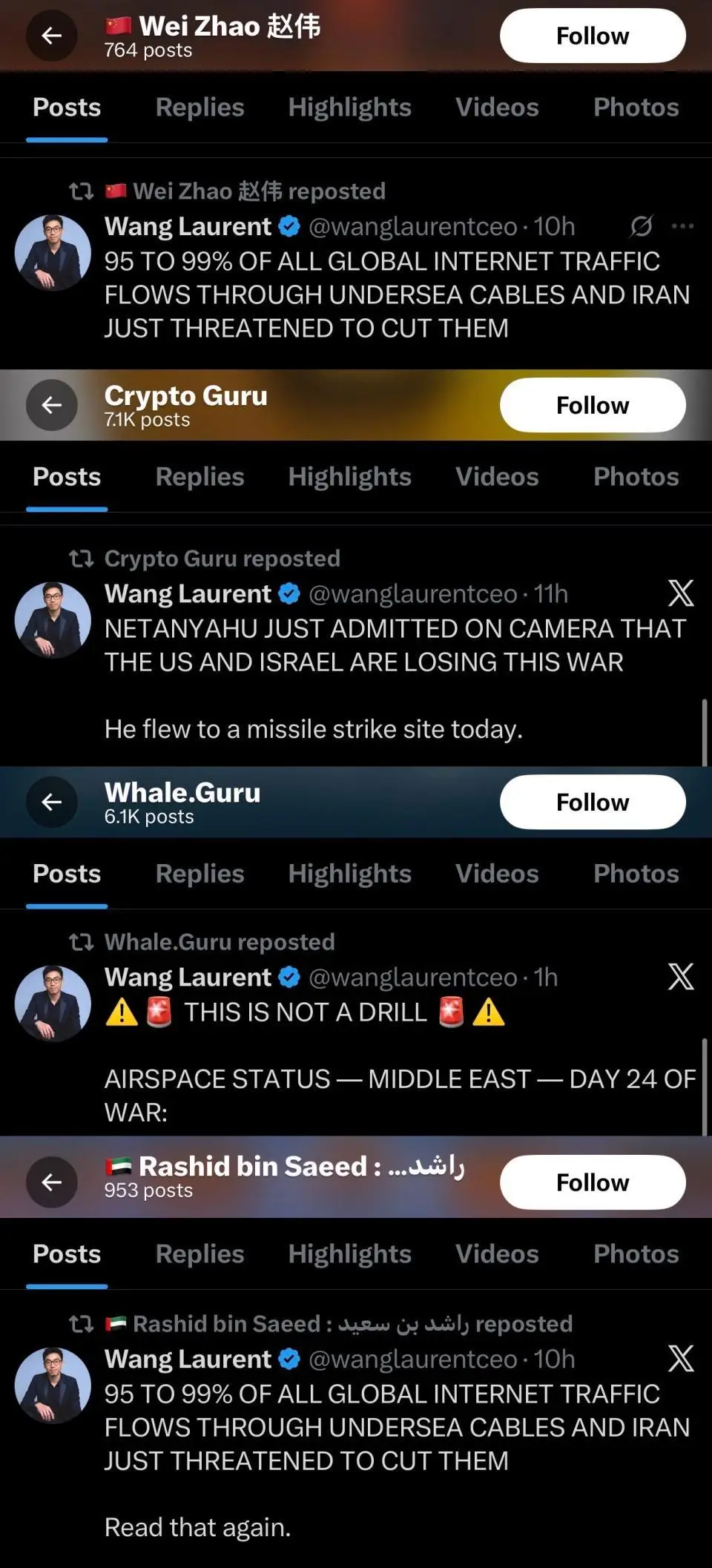
A group comprising over ten accounts on the social network systematically disseminates sensational and often exaggeratedly pessimistic content regarding military conflicts and political crises to capture user attention, subsequently redirecting them to cryptocurrency scams. This was reported by blockchain researcher ZachXBT.
According to his findings, the perpetrators acquire old accounts with established audiences and begin posting alarming updates about global conflicts or political turmoil. To enhance their reach, network participants promote each other’s messages, creating an illusion of credibility.
Related Posts
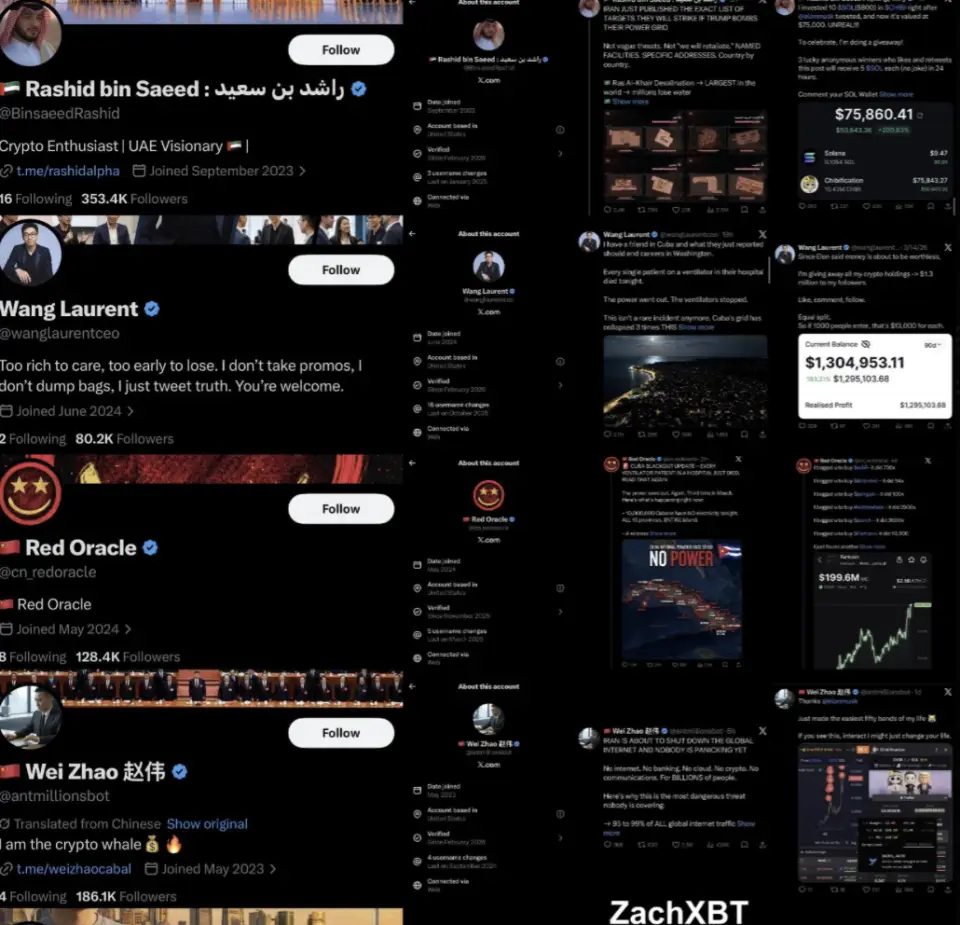
Following an increase in audience engagement, the accounts begin to promote fraudulent tokens and fake giveaways. After securing funds, the scammers change their usernames and move on to the next cycle of attacks.
As an example, ZachXBT cited the account Wang Laurent, which was repurposed to mimic the style of news blogger Mario Nawfal. A neural network-generated image was used to simulate visual elements similar to the blogger’s persona.
The researcher noted that the associated accounts regularly posted exaggerated or misleading updates about military events. Such posts garnered millions of views and were widely shared, including through major accounts.
On March 22, all identified accounts simultaneously began promoting the meme coin ORAMAMA. According to blockchain data, the organizers made a six-figure profit from the short-term price surge, after which they ceased mentioning the token.
“The group is likely currently rebuilding audience engagement for the next scheme,” stated ZachXBT.
He urged the platform to block such accounts and advised users to verify profile histories, analyze posts, and cross-check information through reliable sources.
Previously, a retiree from Hong Kong lost $840,000 due to a series of interconnected fraudulent attacks that began with social media interactions.
