Disclaimer: Information found on CryptoreNews is those of writers quoted. It does not represent the opinions of CryptoreNews on whether to sell, buy or hold any investments. You are advised to conduct your own research before making any investment decisions. Use provided information at your own risk.
CryptoreNews covers fintech, blockchain and Bitcoin bringing you the latest crypto news and analyses on the future of money.


Bank of America has made a significant advancement in broadening regulated cryptocurrency exposure within traditional finance, permitting over 15,000 of its wealth advisers to recommend Bitcoin exchange-traded funds to clients for the first time.
As confirmed in a statement released to Yahoo Finance, this initiative represents a substantial integration of Bitcoin products into the banking industry thus far and reflects a growing interest in digital assets among major U.S. institutions.
BofA’s New Crypto Access Marks Turning Point Ahead of Potential Stablecoin Launch
Previously, Bank of America’s wealthiest clients could only access Bitcoin ETFs by making direct requests, which prevented advisers from proactively suggesting any crypto-related options.
However, beginning January 5, clients of Merrill, Bank of America Private Bank, and Merrill Edge will have streamlined access to four spot Bitcoin ETFs.
These include the Bitwise Bitcoin ETF, Fidelity’s Wise Origin Bitcoin Fund, Grayscale’s Bitcoin Mini Trust, and BlackRock’s iShares Bitcoin Trust.
The bank is complementing this access with formal guidance that encourages clients to contemplate a modest allocation to cryptocurrencies.
Chris Hyzy, Bank of America’s chief investment officer, indicated that clients interested in innovation and aware of market fluctuations might consider a 1% to 4% allocation to digital assets.
He mentioned that the lower end of this range could be appropriate for conservative investors, while those with a greater tolerance for portfolio volatility might look at the upper end.
Hyzy emphasized that the bank’s guidance is centered on regulated investment vehicles and informed decision-making.
 Source: Forbes
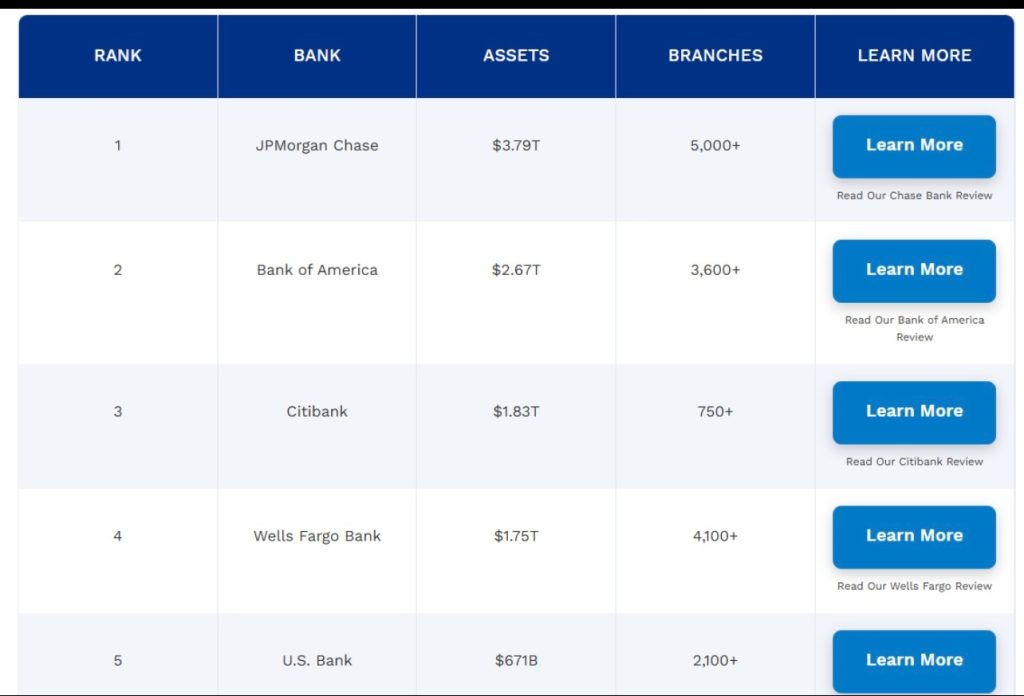
Bank of America, which manages approximately $2.67 trillion in consolidated assets and operates over 3,600 branches, stated that this change reflects increasing demand from its clientele.
This decision comes as several other prominent U.S. financial institutions delve deeper into cryptocurrency markets.
Morgan Stanley, in October, recommended that investors consider a 2%–4% allocation to cryptocurrencies.
Morgan Stanley’s Global Investment Committee advises investors to maintain a cautious 2%–4% of portfolios in crypto, linked to risk appetite.#MorganStanley #CryptoPortfolio https://t.co/Y9lycldVbs
— Cryptonews.com (@cryptonews) October 6, 2025
 Morgan Stanley’s Global Investment Committee advises investors to maintain a cautious 2%–4% of portfolios in crypto, linked to risk appetite.#MorganStanley #CryptoPortfolio https://t.co/Y9lycldVbs
In January, BlackRock informed clients that a 1%–2% Bitcoin allocation is reasonable, asserting that Bitcoin now possesses a risk profile similar to major tech stocks like Apple, Microsoft, Amazon, and Nvidia.
Related Posts
Fidelity has also issued a comparable recommendation, suggesting that a 2%–5% Bitcoin allocation could provide upside while mitigating downside risk.
Moreover, in June, Bank of America CEO Brian Moynihan mentioned that the firm has laid significant groundwork for launching its own stablecoin, although the timeline will depend on regulatory clarity.
He added that the bank aims to address customer demand when conditions permit.
Major Banks Deepen Crypto Push as Vanguard, Goldman, and JPMorgan Expand Services
In addition to investment guidance, several major banks have accelerated their broader cryptocurrency initiatives.
Vanguard, after years of reluctance, has started permitting customers to trade crypto-focused ETFs and mutual funds on its U.S. brokerage platform.
Vanguard will allow trading of crypto-focused ETFs and mutual funds starting Tuesday, providing access to Bitcoin, Ether, and other tokens for millions of investors.#Vanguard #CryptoETFs https://t.co/mmU1DdIi7s
— Cryptonews.com (@cryptonews) December 2, 2025
Goldman Sachs has recently agreed to acquire Innovator Capital Management, incorporating a range of defined-outcome ETFs, including a Bitcoin-linked product, into its asset-management division.
JPMorgan Chase has also intensified its cryptocurrency integrations, allowing customers to fund Coinbase accounts using Chase credit cards.
Meanwhile, regulators in the United States and internationally are shaping the framework within which these institutions will operate.
The Office of the Comptroller of the Currency recently confirmed that national banks may hold cryptocurrency on their balance sheets for activities such as covering blockchain transaction fees.
U.S. banks officially cleared to hold crypto following the @USOCC policy reversal, a significant victory for digital assets and traditional finance. #OCC #Bankshttps://t.co/PYpmuOPZmK
— Cryptonews.com (@cryptonews) November 19, 2025
 U.S. banks officially cleared to hold crypto following the @USOCC policy reversal, a significant victory for digital assets and traditional finance. #OCC #Bankshttps://t.co/PYpmuOPZmK
Additionally, a growing trend among younger investors is also driving this wave of institutional activity.
A survey conducted by crypto payments firm Zerohash revealed that 35% of young, high-earning Americans have already shifted funds away from advisers who do not provide cryptocurrency exposure.
Over 80% expressed that their confidence in digital assets has increased as major institutions have adopted them.
The study also indicated strong demand for access to a broader array of digital assets beyond Bitcoin and Ethereum.
The post Bank of America Just Unleashed Bitcoin ETFs to 15,000+ Advisers – Here’s Why It Matters appeared first on Cryptonews.
