Disclaimer: Information found on CryptoreNews is those of writers quoted. It does not represent the opinions of CryptoreNews on whether to sell, buy or hold any investments. You are advised to conduct your own research before making any investment decisions. Use provided information at your own risk.
CryptoreNews covers fintech, blockchain and Bitcoin bringing you the latest crypto news and analyses on the future of money.


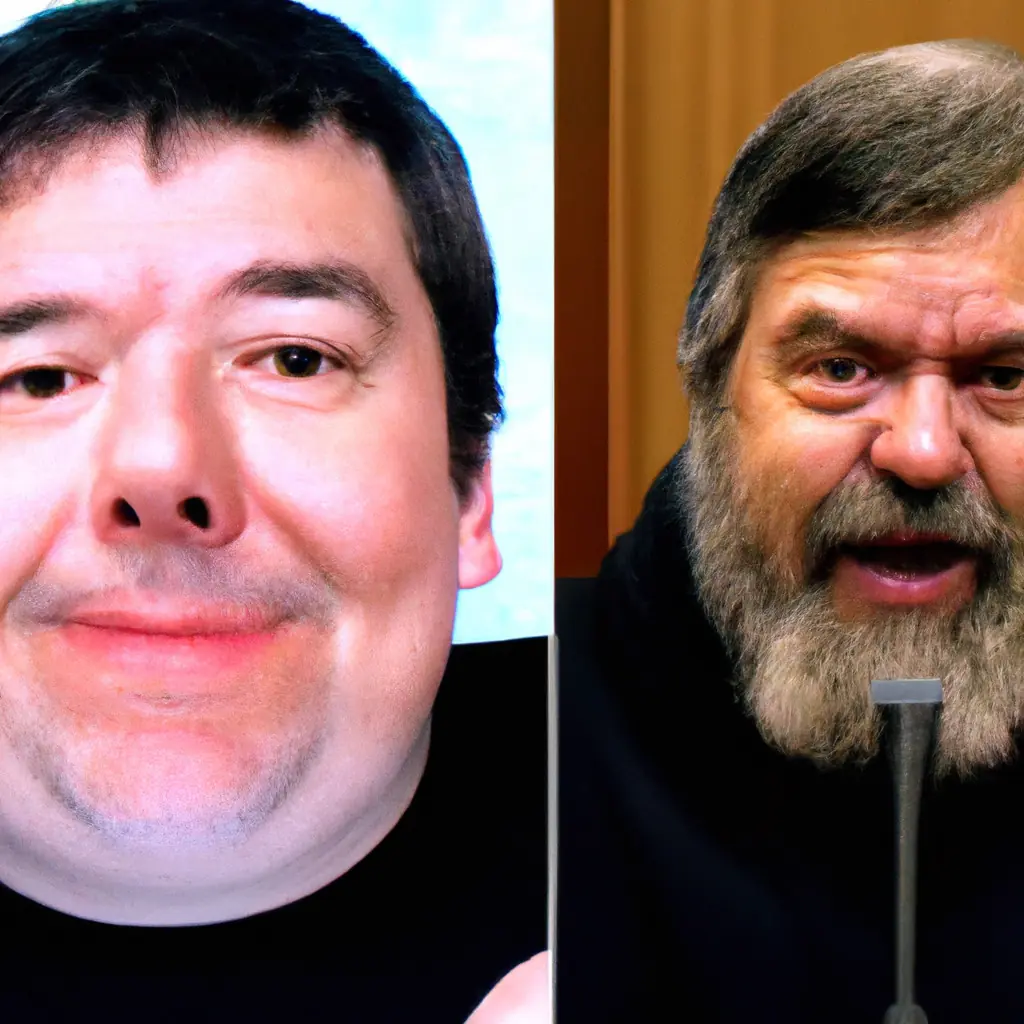
Apple co-founder Steve Wozniak achieved a legal victory against the social media platform YouTube for the unauthorized use of his likeness in videos that promoted a Bitcoin scam in 2020.
A San Jose appeals court reversed an earlier ruling that had exonerated YouTube from liability.
Appeals Court Rules Against YouTube in Apple Co-founder, Steve Wozniak Scam Case
The appeals court determined that YouTube cannot invoke a contentious communications law to evade responsibility in a scam that misappropriated the Apple co-founder’s image.
In 2020, Wozniak filed a lawsuit against YouTube and its parent company, Google, claiming that they enabled the spread of a scam targeting Bitcoin investors. This fraudulent scheme used Wozniak’s likeness to mislead individuals into sending cryptocurrency to online scammers under the guise of participating in a live giveaway purportedly hosted by Wozniak, which promised to double the amount sent.
The scam involved manipulated videos circulating on YouTube, where Wozniak appeared to be addressing tech conferences, accompanied by claims of free Bitcoin. Viewers were urged to send cryptocurrency with the assurance of doubling their investment, a scheme that defrauded numerous unsuspecting individuals.
The lawsuit stated that victims of the scam transferred their cryptocurrency in irreversible transactions but received nothing in return. Over the years, various celebrities have been targeted and exploited to promote such scams.
In 2020, the identities of Ethereum co-founder Vitalik Buterin and Tyler and Cameron Winklevoss, founders of the U.S.-based Gemini exchange, were also misused to entice individuals into relinquishing their crypto. The fraudulent operation further exploited the names and images of well-known tech figures, including Microsoft co-founder Bill Gates and Tesla CEO Elon Musk.
In response, Wozniak and 17 other alleged victims initiated a lawsuit against YouTube and its parent company, Google, in 2020, accusing them of knowingly hosting and promoting these fraudulent videos for financial gain. Despite Wozniak’s attempts to stop the unauthorized use of his likeness, YouTube reportedly remained unresponsive, according to the lawsuit, resulting in irreparable damage to his reputation.
Related Posts
Appeals Court Finds That YouTube Is Not Protected by Section 230
Initially, a Santa Clara County Superior Court judge ruled in 2022 that YouTube and Google were protected from liability by Section 230 of the Communications Decency Act, which shields internet companies from liability regarding third-party content.
However, the court concluded that Google and YouTube might not be protected under this statute as they allegedly played a role in the scam by issuing verification badges to compromised channels.
The court held Google and YouTube accountable for their active involvement in the Bitcoin scam that impacted Steve Wozniak by providing verification badges to hijacked channels. Despite Google’s assertions that verification badges are granted solely to legitimate channels, the court highlighted instances where badges were awarded to channels engaged in the scam.
Apple co-founder Steve Wozniak and 17 notable figures win lawsuit against YouTube for using doctored videos in a Bitcoin scam. A San Jose appeals court rules against YouTube’s immunity claim, potentially changing laws protecting platforms.
— BlockVoyager (@BlockVoyagerAIO) March 20, 2024
Moreover, the court criticized the platforms for their failure to remove these badges when the channels began disseminating fraudulent content and even for awarding verification badges during the scam’s operation.
The appellate judges underscored the widespread nature of such scams, noting that popular YouTube channels were being compromised to broadcast fake videos featuring tech celebrities allegedly hosting live events.
In light of the ruling, Wozniak’s attorney, Joe Cotchett, emphasized the necessity of holding social media platforms like Google and YouTube accountable for their actions and asserted that they cannot use Section 230 as a blanket defense for their conduct.
The ruling returns the case to Santa Clara County Superior Court, allowing Wozniak and his co-plaintiffs to revise their lawsuit. They are seeking unspecified damages and an order for YouTube to alert users about the scam and prevent its continuation on the platform.
Wozniak has previously voiced concerns regarding deceptive online practices facilitated by artificial intelligence, stressing the importance of vigilance against bad actors exploiting technology for fraudulent purposes.
The post Apple Co-founder Steve Wozniak Victorious in Court Battle Against YouTube Over Bitcoin Scam Videos appeared first on Cryptonews.
