Disclaimer: Information found on CryptoreNews is those of writers quoted. It does not represent the opinions of CryptoreNews on whether to sell, buy or hold any investments. You are advised to conduct your own research before making any investment decisions. Use provided information at your own risk.
CryptoreNews covers fintech, blockchain and Bitcoin bringing you the latest crypto news and analyses on the future of money.

A man tracked through his Binance cryptocurrency wallet has been charged with $40,000 fraud., 2026/04/12 13:57:45

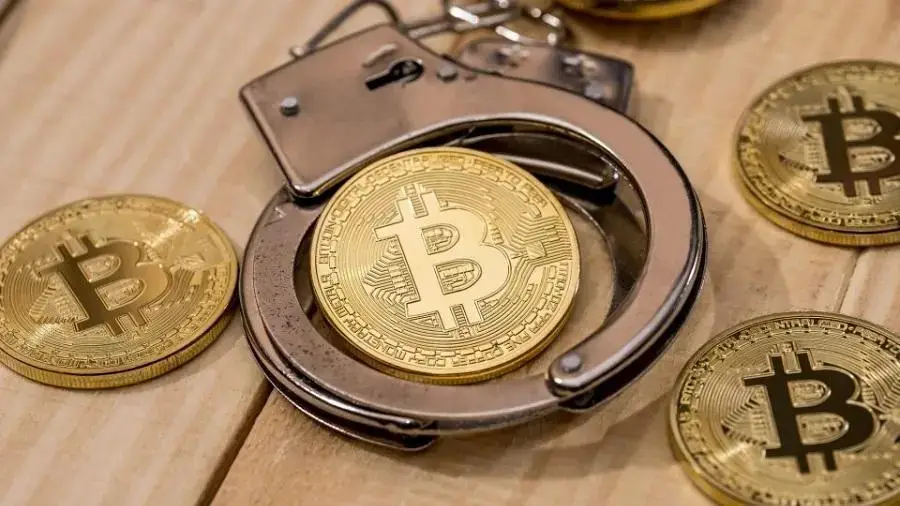
The cybercrime unit of the police in Chandigarh, India, apprehended 29-year-old Jitendra Singh, a resident of Rajasthan, on suspicion of committing cryptocurrency fraud amounting to $40,000.
The complaint against Singh was filed by Narender Ahlawat, the owner of the platform Track With Market. He claimed that between October and November, he was contacted by fraudsters posing as representatives of the company TRD-NFT. They proposed an investment in cryptocurrency, promising a daily return of 2% from trading using artificial intelligence.
Related Posts
The perpetrators provided the businessman with counterfeit certificates from the Securities and Exchange Board of India (SEBI) and fake screenshots of other investors showing high returns. Believing the scammers, the victim transferred $40,704 to their crypto address through several transactions. However, when the investor requested to withdraw his funds and profits, the unknown individuals ceased communication.
During the investigation, the police reached out to Binance, the largest cryptocurrency exchange by trading volume, to obtain identification details regarding the crypto address to which the victim had sent his digital assets. Investigators discovered that the address was registered under Jitendra Singh’s name, which was also linked to his mobile phone number.
The police arrested Singh and seized several smartphones from him. During interrogation, Singh revealed that he had been in contact with another individual involved in fraudulent schemes. The detained individual admitted to using his Binance address to receive USDT stablecoins from deceived victims. Singh is currently in custody, and efforts are being made to gather information about other participants in the crypto scheme and additional victims.
Earlier this year, the Financial Intelligence Unit of India (FIU) pledged to tighten user registration and client identification requirements for cryptocurrency exchanges in an effort to combat money laundering (AML).
