Disclaimer: Information found on CryptoreNews is those of writers quoted. It does not represent the opinions of CryptoreNews on whether to sell, buy or hold any investments. You are advised to conduct your own research before making any investment decisions. Use provided information at your own risk.
CryptoreNews covers fintech, blockchain and Bitcoin bringing you the latest crypto news and analyses on the future of money.

Ethereum-Backed Stablecoin from PayPal Receives Varied Responses in Cryptocurrency Community

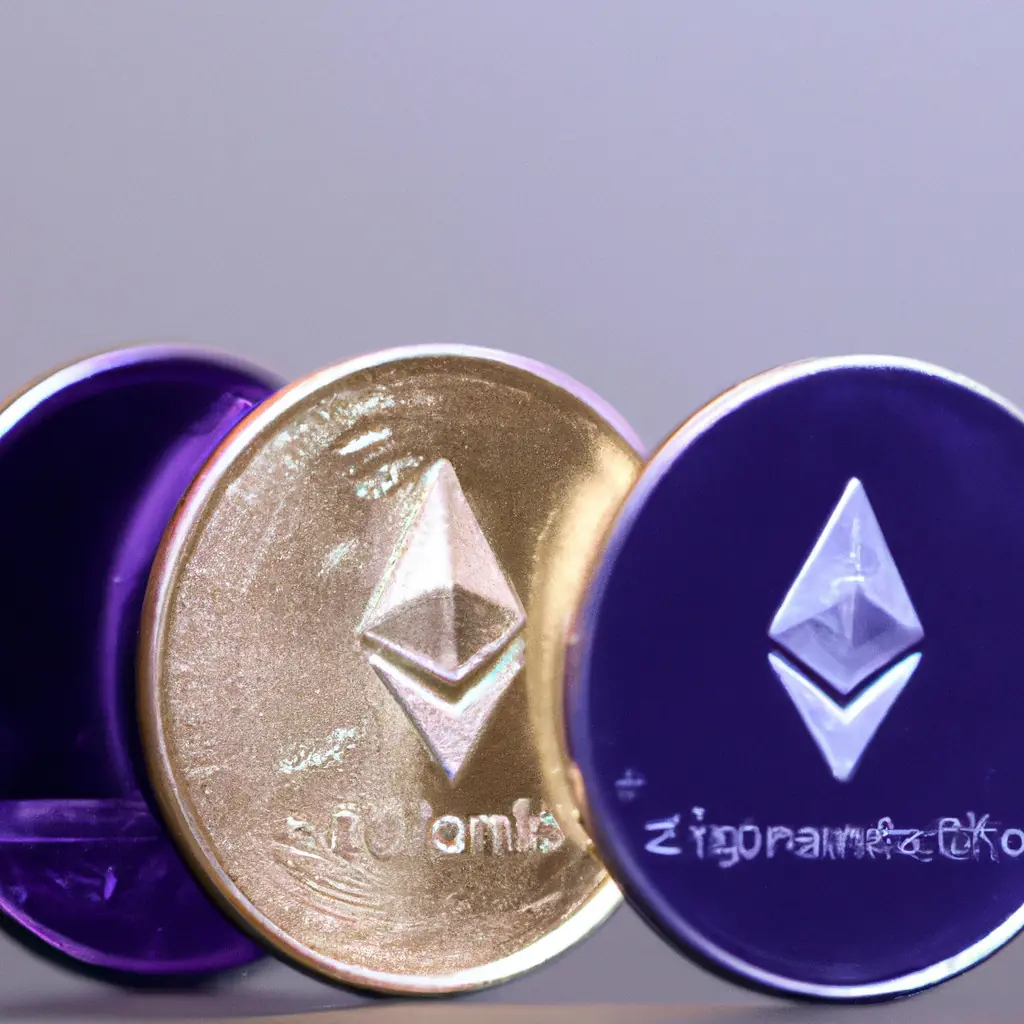
PayPal’s recent introduction of the Ethereum-based stablecoin PYUSD has generated both enthusiasm and apprehension within the cryptocurrency community, as it offers avenues for mainstream acceptance while prompting discussions regarding decentralization and individual asset management.
The PYUSD stablecoin, issued by Paxos Trust Co., the same entity responsible for Binance USD (BUSD), launched on August 7, aimed at facilitating digital transactions and supporting the burgeoning Web3 ecosystem. With intentions to be available to customers in the United States shortly, it has been regarded as a favorable advancement for Ethereum adoption. Notable Ethereum advocates Anthony Sassano and Ryan Sean Adams view the ERC-20 stablecoin as a potential driver that could bring the blockchain closer to serving as the financial foundation of the internet.
Currently, Ethereum has a daily active user count estimated between 300,000 and 400,000, according to Etherscan. However, PayPal’s vast user base of 430 million accounts suggests that around 5% of the global population, approximately 8 billion individuals, could be introduced to Ethereum via the PYUSD stablecoin.
While some industry professionals, including lawmakers such as Patrick McHenry, Chair of the United States House Committee on Financial Services, regard the emergence of stablecoins like PYUSD as a positive evolution for modernizing the payment infrastructure, not everyone is convinced of its advantages.
Related Posts
Several competent contract auditors have expressed concerns regarding PYUSD’s smart contract, pointing out the existence of a ‘freeze funds’ and ‘wipefrozenfunds’ function, which they view as a potential vulnerability, possibly allowing for centralized control in Solidity contracts. Chris Blec, a cryptocurrency researcher, echoes these worries and suspects that PayPal might utilize these functions if deemed necessary.
Moreover, digital asset attorney Sarah Hodder draws comparisons between PayPal’s stablecoin and a censorship-capable central bank digital currency, questioning its similarity to a decentralized cryptocurrency. Another smart contract auditor highlights that the smart contract governing PYUSD can be modified by PayPal at any moment, raising concerns about the token’s stability and autonomy.
Blockchain engineer Patrick Collins provides a more nuanced viewpoint, recognizing that PayPal’s PYUSD could be transformative, but also points out some questionable engineering decisions, such as the choice of an outdated version of Solidity and the upgradeable nature of the contract, which may affect its performance.
In light of these discussions, Anthony Sassano emphasizes that despite the centralization features of PayPal’s stablecoin, Ethereum users have the option to choose whether to engage with it, thereby maintaining personal control over their assets.
As PayPal prepares to launch PYUSD in the upcoming weeks, the cryptocurrency community is keenly observing the ramifications of this notable development. Ethereum’s current price of $1,825 has experienced only slight variations since PayPal’s announcement, indicating the market’s cautious expectation of the stablecoin’s influence. As the cryptocurrency landscape continues to progress, the actual effect of PYUSD on Ethereum’s adoption and the wider digital payment environment remains to be determined.
The post PayPal’s Ethereum-Based Stablecoin Garners Mixed Reactions in Crypto Community appeared first on BitcoinWorld.
