Disclaimer: Information found on CryptoreNews is those of writers quoted. It does not represent the opinions of CryptoreNews on whether to sell, buy or hold any investments. You are advised to conduct your own research before making any investment decisions. Use provided information at your own risk.
CryptoreNews covers fintech, blockchain and Bitcoin bringing you the latest crypto news and analyses on the future of money.

Congresswoman Maxine Waters Questions PayPal’s Introduction of Stablecoin Due to Regulatory Issues

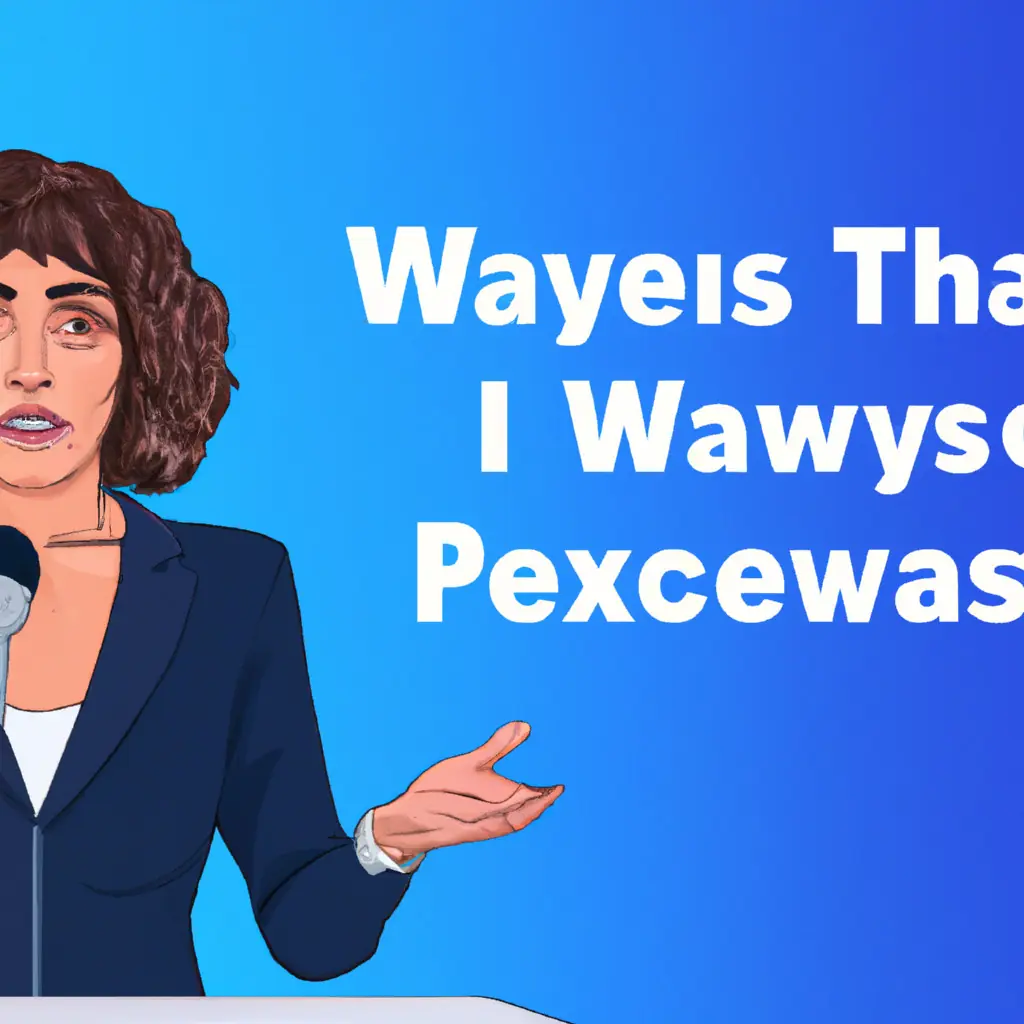
Democratic Congresswoman Maxine Waters (D-CA) has voiced her disapproval of PayPal’s recent introduction of its dollar-pegged stablecoin, PYUSD. In her remarks, Waters raised concerns that PayPal moved forward with the stablecoin launch without awaiting federal regulatory approval, stressing the lack of a federal regulatory framework.
Waters, a key member of the House Financial Services Committee, underscored her apprehension regarding the absence of oversight and regulation for PayPal’s stablecoin activities. She pointed out that, considering PayPal’s vast global user base of 435 million, federal oversight is crucial to ensure stability and security within the financial system.
PayPal’s stablecoin, PYUSD, is administered by Paxos Trust and is supported by deposits in U.S. dollars, short-term Treasuries, and similar cash equivalents. The stablecoin provides holders with the option to convert it into U.S. dollars and utilize it within PayPal’s ecosystem, including for transactions involving cryptocurrencies such as Bitcoin, Bitcoin Cash, Ether, and Litecoin.
Waters emphasized the necessity for federal regulation of stablecoins, as they represent a new form of currency that requires oversight and direction from federal entities. She pointed to the Federal Reserve’s role in managing monetary policy and the money supply, suggesting that the central bank must be prepared to address this new dimension of the financial environment.
Related Posts
The Congresswoman’s concerns are shared by other legislators who have been pushing for stablecoin regulations following the downfall of Terra’s algorithmic stablecoin, UST, last year. The House Financial Services Committee recently passed legislation aimed at establishing regulations for U.S. stablecoins.
Nonetheless, Waters criticized the Republican-supported bill for not sufficiently involving the Federal Reserve in the oversight of stablecoins. She contended that the bill effectively permits state-regulated stablecoins like PYUSD to function without federal supervision, which could impede the central bank’s capacity to manage economic variables such as inflation and employment.
In contrast to Waters’ position, Rep. Patrick McHenry (R-North Carolina), the Chair of the House Financial Services Committee, expressed support for PayPal’s stablecoin launch, viewing it as an indication that stablecoins could become a vital component of the contemporary payment system under a clearly defined regulatory framework.
The discussion surrounding stablecoin regulation persists, emphasizing the necessity for lawmakers to reach a consensus to ensure the stability, security, and effective regulation of these emerging financial instruments.
The post Congresswoman Maxine Waters Criticizes PayPal’s Stablecoin Launch Amid Regulatory Concerns appeared first on BitcoinWorld.
