Disclaimer: Information found on CryptoreNews is those of writers quoted. It does not represent the opinions of CryptoreNews on whether to sell, buy or hold any investments. You are advised to conduct your own research before making any investment decisions. Use provided information at your own risk.
CryptoreNews covers fintech, blockchain and Bitcoin bringing you the latest crypto news and analyses on the future of money.

Vitalik Buterin opposed the transfer of cryptocurrency wallets to AI management., 2026/03/06 14:56:07

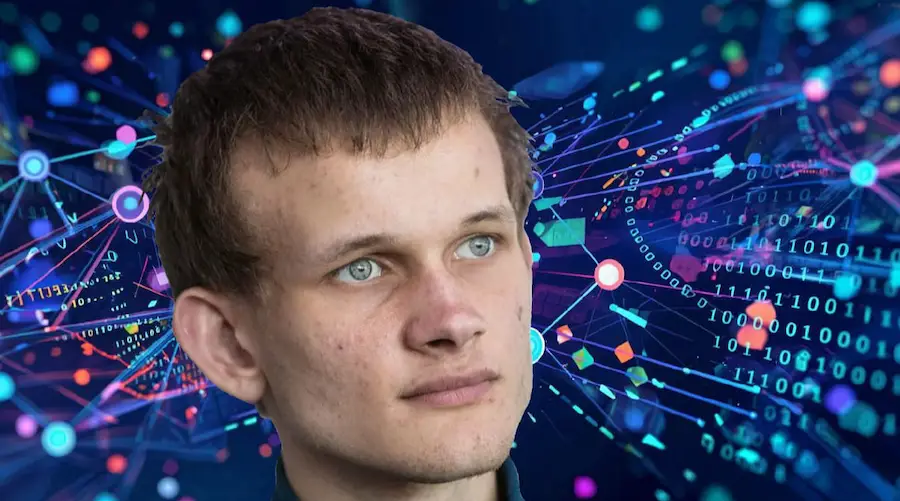
Trusting artificial intelligence with control over significant transactions or cryptocurrency wallets, particularly those containing substantial funds, poses risks, stated Ethereum co-founder Vitalik Buterin in response to a post by a crypto investor demonstrating how AI registers a crypto wallet on the blockchain.
According to Buterin, the next generation of crypto wallets will indeed be closely linked with artificial intelligence, which will come with heightened risks. The programmer proposed a concept that could enhance the safety of this interaction. Under this concept, AI would create an action plan for the user, while a local lightweight AI client simulates transactions or task execution, allowing the wallet owner to preview the anticipated outcome. Following this, the individual independently makes a decision and confirms the operation.
Such a mechanism could significantly reduce the likelihood of losses, asserts the crypto entrepreneur. Avoiding the use of dApp interfaces may help mitigate common threats—such as attacks that lead to fund theft—as well as risks associated with data breaches, according to Buterin.
Related Posts
In early February, the creator of the second-largest cryptocurrency proposed making the Ethereum network the foundation for payment operations that AI would autonomously conduct. This pertains to scenarios where bots hire other bots to perform routine tasks related to blockchain solution development.
Buterin also suggested employing AI in the prediction market, as neural networks, unlike humans, can analyze vast amounts of data and provide more realistic forecasts. However, Buterin clarified that the interaction between AI and blockchain should adhere to the principle of “trust but verify.”
Later, Buterin proposed incorporating a simulation of operations into the blockchain, enabling individuals to view a modeled result of fund transfers. This, the crypto entrepreneur believes, would help protect digital asset holders from the increasing frequency of crypto dust attacks.
Following the Fusaka update, transaction fees on the Ethereum network significantly decreased, resulting in a rise in crypto dust attacks. According to Coin Metrics, one in every nine transactions is fraudulent: attackers anticipate that users, when copying addresses, will send funds to a fraudulent wallet.
