Disclaimer: Information found on CryptoreNews is those of writers quoted. It does not represent the opinions of CryptoreNews on whether to sell, buy or hold any investments. You are advised to conduct your own research before making any investment decisions. Use provided information at your own risk.
CryptoreNews covers fintech, blockchain and Bitcoin bringing you the latest crypto news and analyses on the future of money.

The head of Coinbase argued with the head of the Bank of France about the income from stablecoins, 2026/01/22 16:19:10

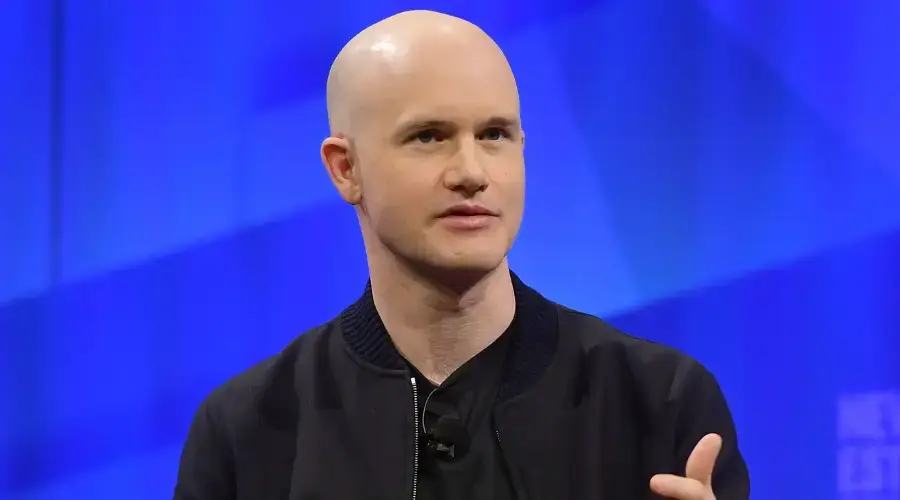
The CEO of the largest American crypto exchange Coinbase, Brian Armstrong, and the Governor of the Bank of France, François Villeroy de Galhau, argued at the economic forum in Davos about whether stablecoins should generate income for their owners and whether Bitcoin will become the “new gold standard.”
Brian Armstrong, during a discussion on the forum, insisted that tokens pegged to fiat currencies should bring profit to their holders. Firstly, you cannot deprive people of the opportunity to make money with their money. Secondly, countries that ban the profitability of safecoins will lose global competition. China has announced its intention to ensure the profitability of its digital yuan, Armstrong argued. If US-regulated stablecoins lose the right to pay rewards, this will give a significant advantage to their offshore competitors, the head of Coinbase said.
François Villeroy de Galhau, in response, voiced a different position: income from owning stablecoins poses a serious threat to the banking system and should be banned. According to the head of the Central Bank, even the digital euro, which the central banks of the European Union are currently working on, should not bring income to its owners.
The dispute has moved from stablecoins to bitcoin. According to Armstrong, the world’s financial systems will soon move to the “bitcoin standard”, since the asset provides protection against the depreciation of paper money.
Related Posts
“We are seeing the birth of a new monetary system – the Bitcoin standard instead of the gold standard,” said the CEO of Coinbase.
François Villeroy de Gallo responded by linking traditional money to the concept of democratic sovereignty. The official said that monetary policy and fiat currencies are a sign of state independence. Therefore, the state banker trusts independent central banks operating in democratic countries more than “private Bitcoin issuers.”
Brian Armstrong noted that Bitcoin, as a decentralized protocol that does not have an issuer, is more independent than central banks, since no government, company or individual has control over BTC. The opponent ignored Armstrong’s remark and stated that stablecoins and tokenized assets could pose serious political threats, especially in emerging economies, if left without state regulation.
“Innovation without regulation can create serious trust issues. The first threat is the privatization of money and loss of sovereignty. If private money takes a dominant position, jurisdictions risk becoming dependent on foreign issuers,” insisted Villeroy de Gallo.
A bill to regulate CLARITY cryptocurrencies is stuck in the US Senate. The review was suspended indefinitely hours after Coinbase spoke out against the ban on income from storing stablecoins. Armstrong in Davos explained the company’s position as a desire to make sure that crypto legislation in the United States will not prohibit stablecoin issuers from competing with bankers.
