Disclaimer: Information found on CryptoreNews is those of writers quoted. It does not represent the opinions of CryptoreNews on whether to sell, buy or hold any investments. You are advised to conduct your own research before making any investment decisions. Use provided information at your own risk.
CryptoreNews covers fintech, blockchain and Bitcoin bringing you the latest crypto news and analyses on the future of money.

The Central Bank of India called on all countries of the world to abandon stablecoins, 2026/01/02 14:38:10

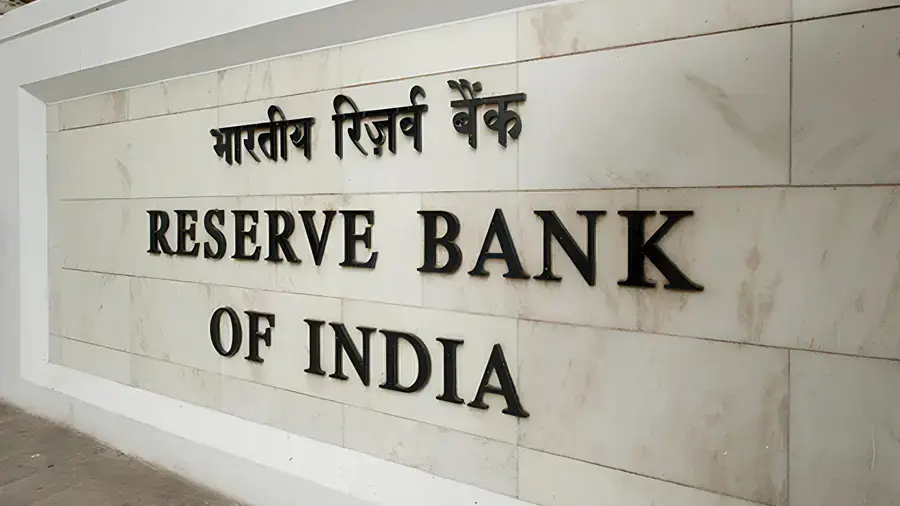
The Reserve Bank of India (RBI) has declared stablecoins as high-risk assets and urged other countries to focus not on creating the conditions for the development of stablecoins, but on launching central bank digital currencies (CBDCs).
In its annual report on India’s financial stability, the Central Bank said that stablecoins pose serious risks to global financial stability and the monetary system. Although stablecoins play an important role in the crypto industry, and their importance has increased since the entry into force of the law on regulating stablecoins in the United States, tokens pegged to fiat currencies do not meet the basic characteristics of money and could weaken the influence of central banks, the RBI fears.
“Stablecoins are positioned as an alternative form of money, but it is critical to understand that they do not meet the basic requirements that reliable real money must meet – uniformity, flexibility and integrity,” the Indian central bank said in a statement.
Related Posts
Given that stablecoins are issued by private fintech companies, their tokens could lose their link to the underlying asset, causing investors to suffer large losses, officials fear. The rapid growth in the number of stablecoins pegged to foreign currencies could lead to the substitution of these currencies and violate the monetary sovereignty of countries, the regulator said.
The RBI urged central banks around the world to focus on developing their own digital currencies, complaining that their adoption around the world has been too slow, unlike stablecoins. The Central Bank of India insists: CBDCs can maintain “monetary uniformity” due to privacy protection, low transaction costs, and the ability to make international payments and transfers.
Last year, the Indian central bank announced its readiness to test its own digital currency in regions without Internet access. Earlier, India announced a directive on international payments in digital rupees.
