Disclaimer: Information found on CryptoreNews is those of writers quoted. It does not represent the opinions of CryptoreNews on whether to sell, buy or hold any investments. You are advised to conduct your own research before making any investment decisions. Use provided information at your own risk.
CryptoreNews covers fintech, blockchain and Bitcoin bringing you the latest crypto news and analyses on the future of money.


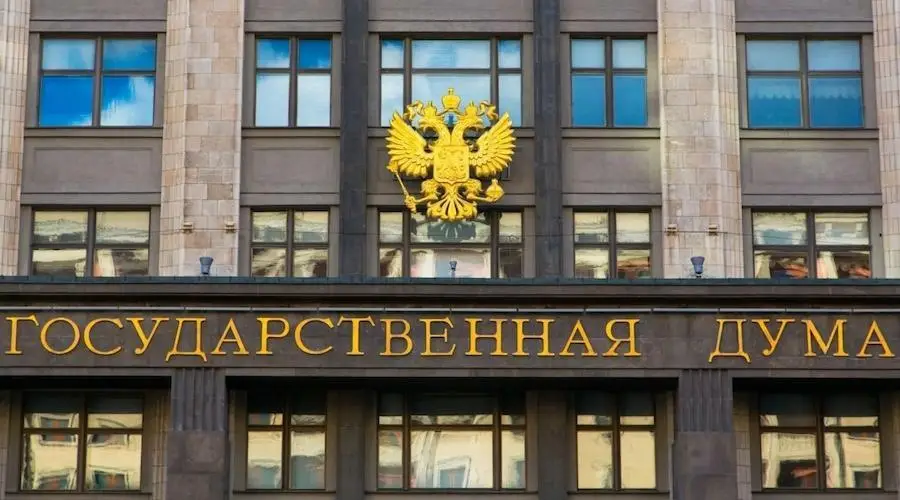
The State Duma of Russia has approved a law in its final, third reading that establishes the procedure for the seizure and arrest of cryptocurrency within the framework of criminal cases.
The bill was introduced by the government and affirms the status of cryptocurrency as property. The proponents of the initiative clarified the necessity of the law by stating that the status of cryptocurrency had not yet been established in criminal and criminal procedural law, complicating the investigation of crimes and property claims.
When seizing digital assets, the protocol stipulates that the following must be recorded: the type of asset, its volume, and wallet identifier addresses. Devices, information carriers, and access to cryptocurrency wallets must be securely stored in a sealed manner. If technically feasible, the seized cryptocurrency may be transferred to a special state wallet.
Related Posts
The legislation effectively legalizes methods of operation that have already been established in practice. When seizing cold wallets, law enforcement agencies take the physical devices that store the data. In the case of hot wallets, access is possible through keys, and information is documented by law enforcement using screenshots.
The bill delegates the determination of the procedure for transferring and storing seized and arrested cryptocurrency to government officials. The future law allows Russian state bodies to interact with foreign cryptocurrency exchanges for the purpose of arrest or confiscation.
The bill must be approved by the Federation Council and signed by the president. The law will come into effect 10 days after its official publication.
Previously, the Constitutional Court of the Russian Federation allowed citizens to defend their rights to digital currency in courts, even if it was not declared to the tax authorities. However, the Constitutional Court ruled to eliminate the legislative gap that required only miners to submit information about cryptocurrency.
