Disclaimer: Information found on CryptoreNews is those of writers quoted. It does not represent the opinions of CryptoreNews on whether to sell, buy or hold any investments. You are advised to conduct your own research before making any investment decisions. Use provided information at your own risk.
CryptoreNews covers fintech, blockchain and Bitcoin bringing you the latest crypto news and analyses on the future of money.


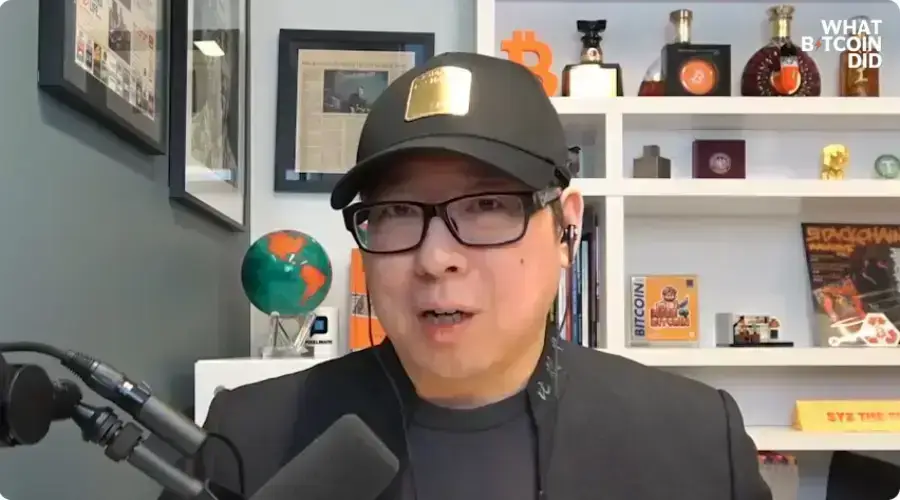
Samson Mow, CEO of the technology company Jan3, has proposed revising the term “hardware wallet for storing Bitcoin” and using an alternative name: “Bitcoin Signing Device” (BSD).
According to the executive, the new term provides a more accurate technical description of cold wallets. It will help overcome one of the most common misconceptions among novice crypto investors—that their Bitcoin is stored inside the hardware device, Mow believes. In reality, Bitcoin exists on the blockchain, and the device stores only the private keys required to access and authorize transactions. The head of Jan3 is convinced that the term “Bitcoin signing device” is much closer in meaning to “secure transaction signing.”
Related Posts
A hardware wallet functions less like a safe and more like a “key management tool.” Even if the user disconnects the wallet from the network, breaks the screen, or drains the battery, the Bitcoin will not be lost; it will remain on the blockchain. If the device is broken or lost, the person can restore access to their assets on a new compatible device provided they have the seed phrase.
“‘Signing’ perfectly aligns with the term ‘multisignature.’ I will stop calling them hardware wallets and will use the term BSD. Ledger and its CEO Pascal Gauthier are already working on this. Let’s see if we can get other manufacturers, including Bitkey, to join in,” Samson Mow wrote on the social network X.
Previously, the CEO of Jan3 urged Bitcoin developers not to rush to launch solutions to combat the quantum threat. They could create compatibility issues between nodes and reduce network efficiency, the crypto businessman fears.
