Disclaimer: Information found on CryptoreNews is those of writers quoted. It does not represent the opinions of CryptoreNews on whether to sell, buy or hold any investments. You are advised to conduct your own research before making any investment decisions. Use provided information at your own risk.
CryptoreNews covers fintech, blockchain and Bitcoin bringing you the latest crypto news and analyses on the future of money.

New Hampshire Senate Approves Legislation to Regulate Cryptocurrency Machines, 2026/03/30 12:11:20

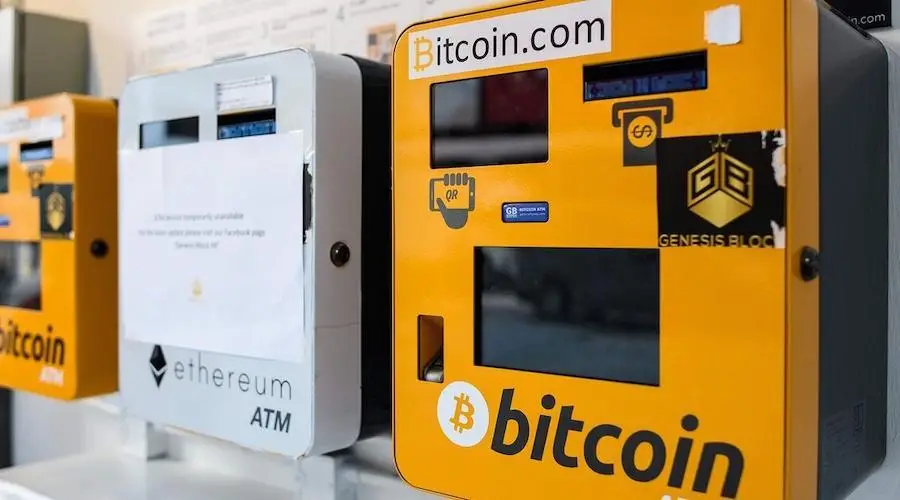
The Senate of New Hampshire has approved a bill regulating cryptocurrency kiosks. The document is now set to be reviewed by the House of Representatives.
The initiative establishes a series of requirements for operators of devices serving state residents. Specifically, a deposit limit of no more than $2000 per day is introduced. This is lower than the parameters of the initial version of the bill, which proposed limits of $5000 for new users and $15,000 for regular customers.
Additionally, clients who fall victim to fraud will be able to request a full refund from the operator within 30 days. Some senators suggested extending this period to 90 days, similar to measures adopted in other states.
Operators are required to issue receipts with detailed descriptions of transactions, including fees. The explanatory note indicates that on certain devices, fees can reach 30%, while purchasing cryptocurrency through online platforms incurs around 1.5%.
Related Posts
Furthermore, cryptocurrency kiosks must display warnings about fraud risks—both on the device’s exterior and on the screen before completing a transaction.
Previously, 24 states, including Maine, Vermont, Connecticut, and Rhode Island, have implemented restrictions on cryptocurrency kiosks. These measures are linked to the increasing number of fraudulent schemes involving such devices.
According to the New Hampshire chapter of the American Association of Retired Persons, 85% of those affected by such schemes are individuals over 60 years old. The state attorney general estimates that approximately 250 cryptocurrency kiosks are operational in the region.
In the state’s largest city, Manchester, from 2021 to 2025, there were 66 reported fraud cases associated with 22 devices. The average loss amounted to $17,000, and the average age of the victims was 73 years. Police data indicates that perpetrators most frequently employ schemes impersonating government officials, technical support, and business contacts, directing victims to cryptocurrency kiosks.
According to the FBI, losses from cryptocurrency kiosk fraud in the U.S. from January to November 2025 totaled $333.5 million—a 33% increase compared to the previous year. The Federal Trade Commission (FTC) noted that in the first half of 2024, individuals over 60 reported losses through kiosks three times more often than younger users. This age group accounted for 71% of all recorded losses.
