Disclaimer: Information found on CryptoreNews is those of writers quoted. It does not represent the opinions of CryptoreNews on whether to sell, buy or hold any investments. You are advised to conduct your own research before making any investment decisions. Use provided information at your own risk.
CryptoreNews covers fintech, blockchain and Bitcoin bringing you the latest crypto news and analyses on the future of money.


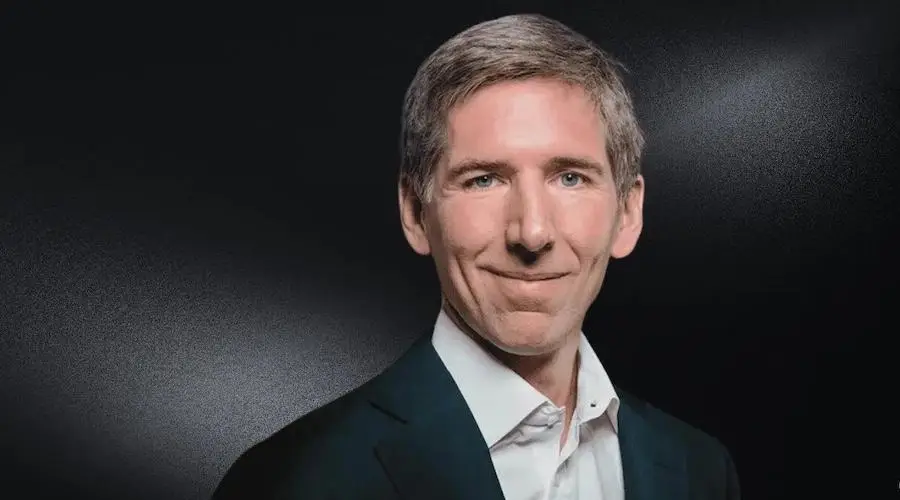
For Bitcoin to reach a price of $1 million, it would need to capture approximately one-sixth of the global asset market to maintain its value, according to Matt Hougan, the Chief Investment Officer at Bitwise. Currently, gold remains the largest asset in this sector.
Related Posts
Hougan views Bitcoin as a new means of preserving value—a digital equivalent of gold. He asserts that the leading cryptocurrency enables the storage of capital outside traditional fiat and banking systems.
The Bitwise executive estimates that the total global market for value preservation assets is currently just under $38 trillion. Of this total, around $36 trillion is attributed to gold, while Bitcoin’s market capitalization is approximately $1.4 trillion. Consequently, Bitcoin’s share of this market is currently less than 4%.
Based on the current market size, Bitcoin would need to capture more than half of this segment to achieve a price of $1 million. However, Hougan notes that this calculation does not take into account a crucial factor—the market for value preservation assets is continually expanding. Over the past two decades, its average annual growth has been about 13%, and the analyst believes this trend may persist amid growing concerns regarding the devaluation of fiat currencies.
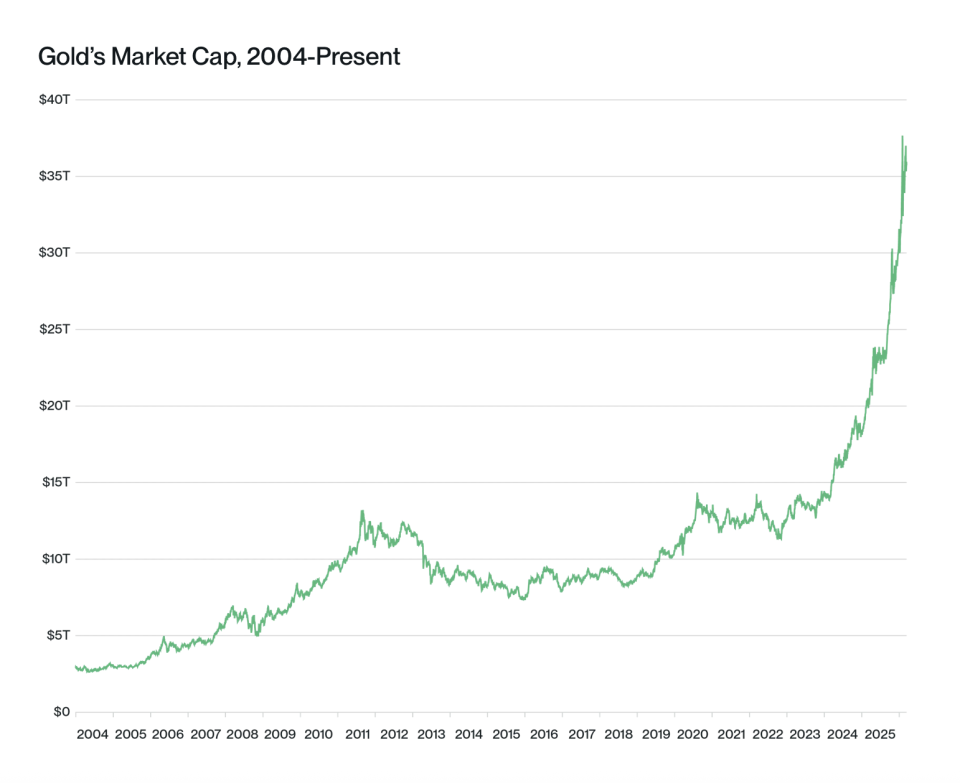
If such growth rates continue, the global market for value preservation assets could increase to approximately $121 trillion in ten years. In this scenario, Bitcoin would only need to capture around 17% of the market for its price to reach $1 million per coin, according to Hougan’s calculations.
“This growth appears quite attainable considering the progress Bitcoin has already made. A few years ago, there were no Bitcoin ETFs in the U.S., and institutional holders were few. Bitcoin was regarded as too volatile an asset to allocate more than 1% of a portfolio to. Now, Bitcoin ETFs have become some of the fastest-growing exchange-traded funds in history. A diverse range of investors—from Harvard’s endowment to the Abu Dhabi Sovereign Fund—own Bitcoin. The long-term volatility of Bitcoin has decreased to a level where many professional investors are considering allocating up to 5% of their portfolios to this asset,” Hougan remarked.
Nevertheless, the expert cautioned that the market for value preservation assets could experience slowed growth in the event of a financial crisis or an extended period of monetary policy easing by central banks.
Previously, Hougan stated that the cryptocurrency market is not showing more robust growth due to lingering stereotypes among some users. He cited the hack of the MtGox exchange as an example.
