Disclaimer: Information found on CryptoreNews is those of writers quoted. It does not represent the opinions of CryptoreNews on whether to sell, buy or hold any investments. You are advised to conduct your own research before making any investment decisions. Use provided information at your own risk.
CryptoreNews covers fintech, blockchain and Bitcoin bringing you the latest crypto news and analyses on the future of money.


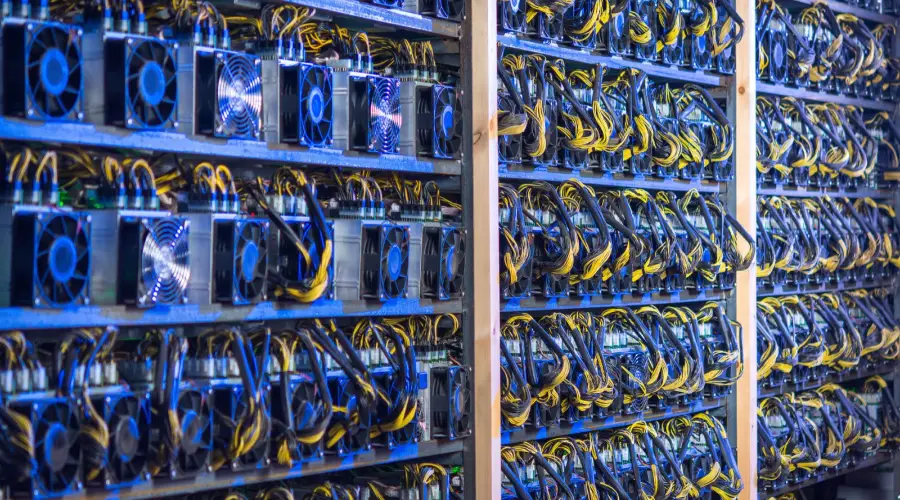
The increase in oil prices amid the conflict surrounding Iran is unlikely to elevate Bitcoin miners’ electricity expenses. Analysts from Luxor Technology identify the primary risk for the sector as heightened Bitcoin volatility and a potential decline in cryptocurrency mining profitability.
Related Posts
Experts pointed out that the strikes by the U.S. and Israel on Iranian facilities have resulted in disruptions to shipping through the Strait of Hormuz. This route accounts for approximately 20% of global oil supplies, meaning any disturbances are quickly reflected in international energy markets.
In light of the conflict, Brent crude prices have surged from around $60 to over $100 per barrel. However, the direct impact of oil prices on Bitcoin mining costs has proven to be limited, as more than half of the network’s computational power operates on alternative energy sources. The share of fuel oil and diesel in the sector’s energy consumption is minimal and has little effect on mining economics.
The largest cryptocurrency mining centers remain in the U.S., Russia, and China, followed by Paraguay, the UAE, Oman, Canada, Ethiopia, and Kazakhstan. In most of these nations, electricity is generated from gas, coal, or hydropower, resulting in a weak correlation between oil prices and miners’ expenses, analysts noted.

Only a small fraction of the network’s hash rate is located in regions where electricity tariffs may genuinely depend on oil prices. Specifically, the UAE and Oman account for about 6% of the global hash rate. Including Iran, Kuwait, Qatar, and Libya, this share could rise to 8–10%.
Even in these countries, the influence of oil prices is not immediate. Adjustments to electricity tariffs occur with a delay due to lengthy regulatory and contractual cycles, experts emphasized.
According to Luxor Technology analysts, a more significant threat to miners comes from the macroeconomic effects of rising oil prices. The increase in energy resource costs heightens inflationary expectations and impacts forecasts for interest rates, potentially leading investors to reduce their investments in riskier assets.
Consequently, pressure may primarily manifest on Bitcoin’s price. A decline in the cryptocurrency’s value directly affects mining profitability, as companies’ revenues are generated in BTC, while a substantial portion of operational costs remains fixed.
Previously, experts from the Neopool mining pool indicated that by 2030, the majority of Bitcoin’s network power could be controlled by five major mining firms. Access to inexpensive electricity will be a crucial factor for survival in the industry.
