Disclaimer: Information found on CryptoreNews is those of writers quoted. It does not represent the opinions of CryptoreNews on whether to sell, buy or hold any investments. You are advised to conduct your own research before making any investment decisions. Use provided information at your own risk.
CryptoreNews covers fintech, blockchain and Bitcoin bringing you the latest crypto news and analyses on the future of money.

Justin Sun labeled Trump’s cryptocurrency initiative a trap for investors., 2026/04/13 12:55:39

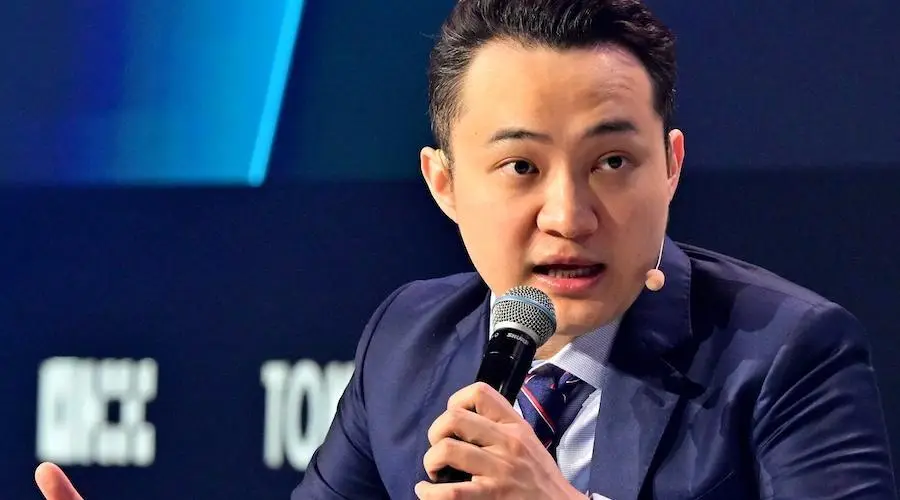
The founder of the Tron blockchain, Justin Sun, has accused the cryptocurrency project World Liberty Financial (WLFI), associated with the family of U.S. President Donald Trump, of unjustly blocking governance tokens and lacking transparency in its voting processes. The entrepreneur referred to the project as a “trap disguised as a door.”
Sun announced that he invested a substantial amount in the project during its early stages but has yet to participate in the platform’s governance. The crypto investor criticized WLFI’s March decision to set a timeline for the token lockup as opaque. According to him, over 76% of the votes were held by just ten wallets.
“The governance vote referenced to justify these actions was not conducted through a fair and transparent process. Key information was concealed from voters, meaningful participation was restricted, and the outcomes were predetermined,” Sun stated on social media platform X.
In response to the post, World Liberty Financial claimed that Sun “enjoys portraying himself as a victim, making unfounded accusations to cover his own misdeeds,” and threatened legal action.
Related Posts
Sun then publicly demanded that WLFI disclose the identities of the individuals controlling the single custodial EOA address capable of blacklisting wallets, as well as the multisignature wallet managing the WLFI smart contract. The crypto entrepreneur asserted that, as an investor, he has the right to know the names of those who hold the actual power to freeze assets. Additionally, Sun criticized the centralization of authority within the project.
“This means that one person—just one—has the unilateral right to freeze the assets of any token holder. To confiscate these assets, a ‘3 out of 5’ vote is required, while only one signature is needed to freeze them. Who is this person? The community deserves an answer,” Sun wrote.
The “blacklist” feature was introduced by WLFI in August, after Sun had already invested in the project. In November, the platform launched a token withdrawal mechanism, citing the need to recover funds stolen during phishing attacks.
On September 4, WLFI froze a wallet associated with Sun after he transferred approximately $9 million in WLFI through HTX. A total of 595 million unlocked tokens (valued at around $107 million at that time) were frozen, with billions of tokens remaining in vesting.
Sun’s accusations came after WLFI sent 5 billion governance tokens as collateral to the Dolomite platform for a $250 million loan in stablecoins. This represented 86% of the total borrowing volume in the protocol. Following this transaction, the WLFI token dropped to a record low.
