Disclaimer: Information found on CryptoreNews is those of writers quoted. It does not represent the opinions of CryptoreNews on whether to sell, buy or hold any investments. You are advised to conduct your own research before making any investment decisions. Use provided information at your own risk.
CryptoreNews covers fintech, blockchain and Bitcoin bringing you the latest crypto news and analyses on the future of money.


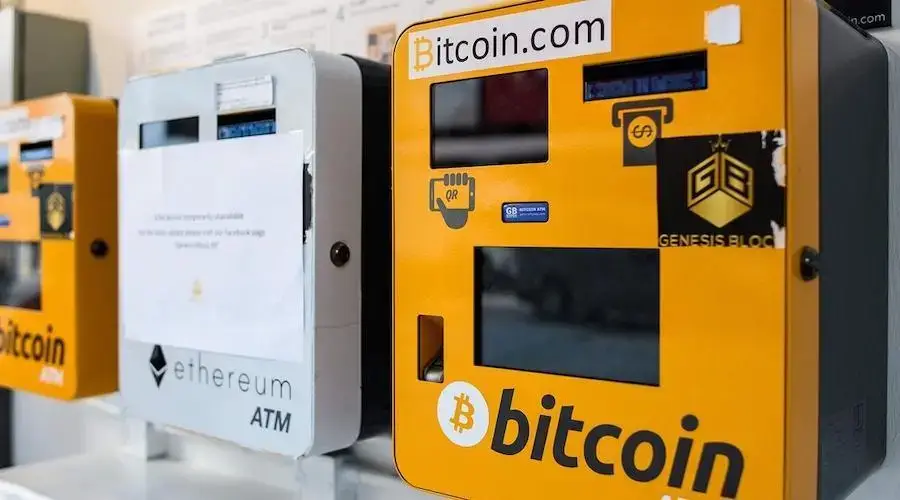
The administration of Haverhill, Massachusetts, is contemplating a complete ban on cryptocurrency ATMs. This initiative was proposed by Mayor Melinda Barrett, and it received unanimous support from the city council with 11 votes in favor.
According to the mayor, due to the lack of state-level regulation, the municipality is compelled to take action independently. If the amendments are approved, operators will be required to remove all devices within 60 days. Noncompliance will result in a fine of $300 per day for each ATM. As reported by CoinATMRadar, there are over eight such devices installed in the Haverhill area.
Related Posts
“Unregulated cryptocurrency ATMs pose risks to consumers, including fraud, money laundering, and a lack of user protection. Transactions involving these machines are instantaneous and irreversible, which increases the vulnerability of citizens,” stated Barrett.
Haverhill is not the only city considering restrictions. In March, the authorities in Connecticut banned the operations of one of the largest cryptocurrency ATM operators in the U.S., Bitcoin Depot. Previously, the Massachusetts Attorney General accused the company of facilitating fraud. Last week, Bitcoin Depot announced the departure of CEO Scott Buchanan, who had held the position for less than three months. He was succeeded by board member and former MoneyGram head Alex Holmes.
Earlier, the New Hampshire Senate approved a bill to limit the operation of cryptocurrency ATMs, which includes a deposit cap of no more than $2000 per day, as well as a provision for refunds for fraud victims within 30 days.
