Disclaimer: Information found on CryptoreNews is those of writers quoted. It does not represent the opinions of CryptoreNews on whether to sell, buy or hold any investments. You are advised to conduct your own research before making any investment decisions. Use provided information at your own risk.
CryptoreNews covers fintech, blockchain and Bitcoin bringing you the latest crypto news and analyses on the future of money.


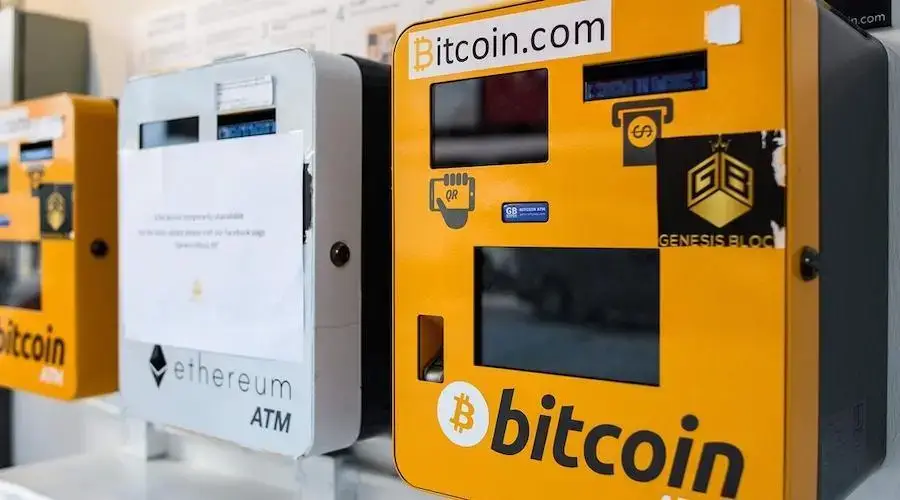
Members of the Georgia House of Representatives, Bruce Williamson, Noel Williams Jr., and Johnny Chastain, all from the Republican Party, have introduced a bill aimed at restricting the use of cryptocurrency kiosks to combat fraud.
The legislation defines a cryptocurrency kiosk as an electronic terminal for exchanging cash for virtual currency, with the option for subsequent transfers. New clients are defined as users who have registered with the operator less than 72 hours prior. A daily transaction limit of $2,500 is proposed for these new clients, while existing clients would have a limit of $10,000.
Related Posts
The bill allows new clients who fall victim to fraud to request a full refund for transactions made within the first 72 hours of registration. To do so, they must contact the kiosk operator and law enforcement within five days of the transaction. If these conditions are met, the operator is required to refund the amount within 72 hours of receiving the request.
Additionally, the proposal mandates that operators provide users with receipts containing detailed information about transactions and display warnings on the devices regarding the irreversibility of transactions made either accidentally or under the direction of fraudsters.
Furthermore, the legislation limits the amount of fees, charges, and other payments, stipulating that they must not exceed 18% of the transaction amount.
In March, authorities in Connecticut revoked the money transfer license of the cryptocurrency kiosk operator Bitcoin Depot, resulting in the cessation of its devices’ operations in the region.
