Disclaimer: Information found on CryptoreNews is those of writers quoted. It does not represent the opinions of CryptoreNews on whether to sell, buy or hold any investments. You are advised to conduct your own research before making any investment decisions. Use provided information at your own risk.
CryptoreNews covers fintech, blockchain and Bitcoin bringing you the latest crypto news and analyses on the future of money.

China has prohibited the issuance of independent stablecoins pegged to the yuan., 2026/02/06 19:37:15

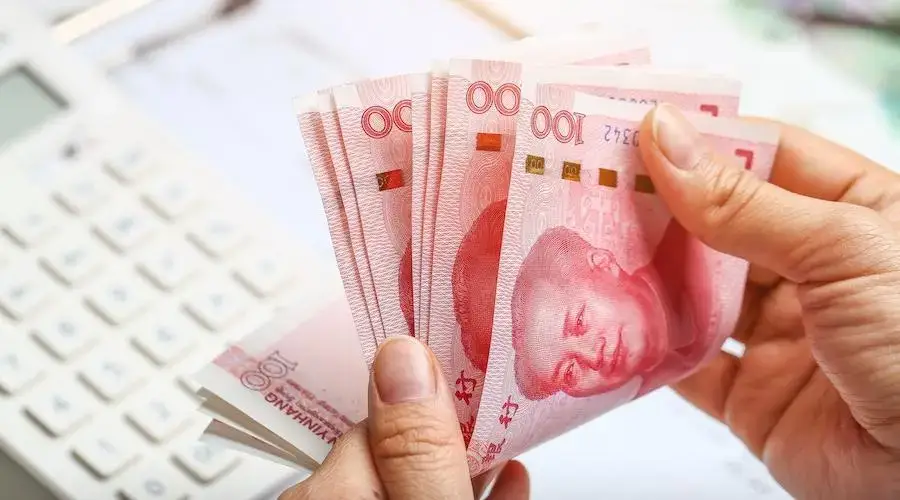
Eight regulatory bodies in China, including the People’s Bank of China (PBoC) and the China Securities Regulatory Commission (CSRC), have released a joint statement indicating that both legal entities and individuals are prohibited from issuing yuan-pegged stablecoins without regulatory approval.
The ban on participating in the creation and issuance of such stablecoins, as well as facilitating this activity through foreign legal entities, applies to both foreign and Chinese companies. Authorities in the People’s Republic of China are concerned that the issuance of yuan-pegged tokens without official consent could pose a threat to the nation’s financial security and facilitate money laundering through crypto assets, fraud, and illegal international transactions.
Related Posts
The regulators’ notice states that digital assets, including Bitcoin, Ethereum, and stablecoins like USDT, are not recognized as legal tender, unlike the state currency, and any commercial activities associated with them are deemed illegal. Therefore, foreign organizations and individuals are prohibited from providing services involving virtual assets to local residents and entities.
Chinese regulators acknowledged that asset tokenization has gained popularity in recent years. However, within the territory of China, asset tokenization, the provision of intermediary and information technology services related to token issuance, unauthorized public offerings of securities and futures, as well as fundraising through tokens, are prohibited. Exceptions may be made for commercial activities that utilize financial infrastructure approved by the authorities and comply with local laws, officials clarified.
Previously, Lu Lei, the deputy governor of the PBoC, stated that starting in January, local commercial banks servicing digital yuan wallets must begin paying interest to their holders.
