Disclaimer: Information found on CryptoreNews is those of writers quoted. It does not represent the opinions of CryptoreNews on whether to sell, buy or hold any investments. You are advised to conduct your own research before making any investment decisions. Use provided information at your own risk.
CryptoreNews covers fintech, blockchain and Bitcoin bringing you the latest crypto news and analyses on the future of money.

BNY Mellon Chief Announces Banks’ Full Readiness to Utilize Cryptocurrency Technologies, 2026/03/25 14:45:40

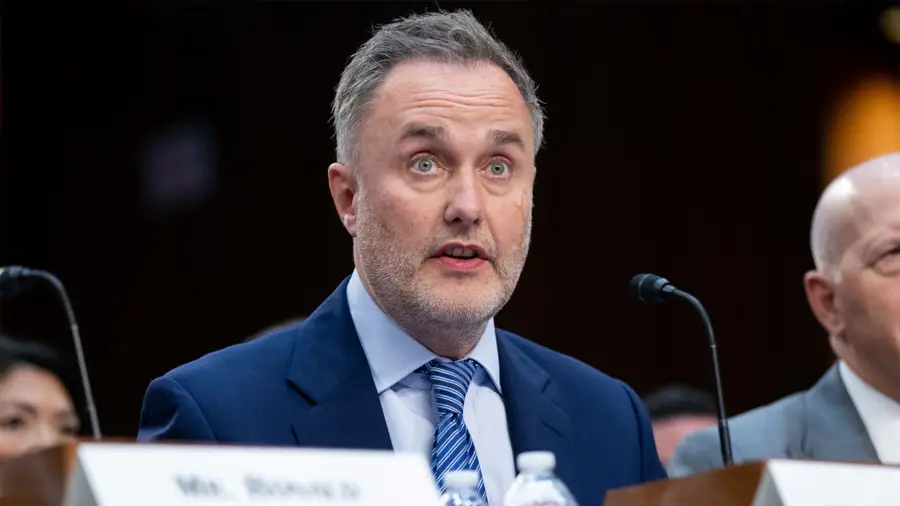
The CEO of the prominent American bank BNY Mellon, Robin Vince, stated that banks and major financial institutions could expedite the widespread adoption of cryptocurrencies by acting as a bridge between digital assets and traditional finance.
Speaking at the Digital Asset Summit in New York, Vince remarked that banks are better equipped to leverage new technologies, which often struggle to gain traction without an established user base. Asset storage systems enable banks to serve both their conventional clients and firms engaged with digital assets simultaneously.
BNY Mellon has emerged as one of the first major banks to offer crypto asset custody services. In 2024, it received approval from the U.S. Securities and Exchange Commission (SEC) to store Bitcoin, Ethereum, and other cryptocurrencies. According to Vince, companies within the crypto sector are already approaching BNY Mellon, hoping it will act as an intermediary to facilitate their entry into the traditional financial market.
Related Posts
The BNY Mellon leader believes that asset tokenization will be beneficial for lending and real estate, as transactions without it tend to be slow and inefficient. Real estate or credit obligations could be transformed into tokens that can serve as collateral without the lengthy paperwork process that typically takes weeks. Smart contracts enable instant transactions and help reduce operational costs, as indicated by the BNY Mellon CEO.
Vince estimates that banks will not engage with digital assets until clear security standards are established, suggesting that a complete integration of finance with digital assets and the associated technologies may take between five to 15 years.
Recently, the CEO of Crypto Finance, Stijn Vander Straeten, expressed that banks will not be able to dominate the cryptocurrency market due to their reluctance to work with digital assets in the absence of clear regulatory guidelines.
