Disclaimer: Information found on CryptoreNews is those of writers quoted. It does not represent the opinions of CryptoreNews on whether to sell, buy or hold any investments. You are advised to conduct your own research before making any investment decisions. Use provided information at your own risk.
CryptoreNews covers fintech, blockchain and Bitcoin bringing you the latest crypto news and analyses on the future of money.


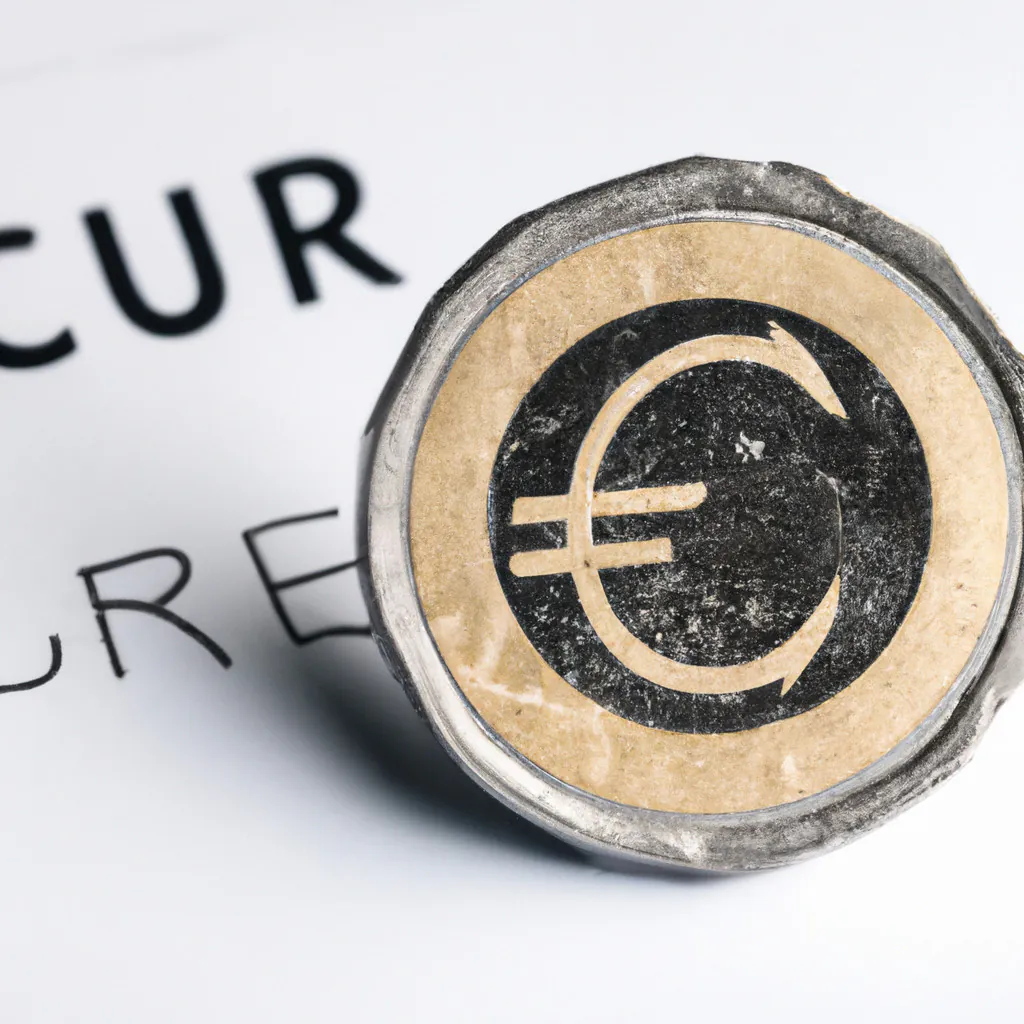
A new euro-pegged stablecoin introduced in France has faced criticism due to its choice to limit peer-to-peer transactions.
On April 20, French bank Societe Generale-Forge (SGF) launched the Ethereum-based stablecoin known as EUR CoinVertible (EURCV), which is exclusively accessible to qualified institutional clients.
Observers analyzing its smart contract code noted that ERC-20 transfers must receive approval from a centralized registrar—likely one managed by the bank—prior to the transaction being executed.
In a tweet on April 20, the pseudonymous smart contract developer “alephv.eth” remarked:
“They coded it so they have to whitelist all users, process all user transfers, and even process your ERC20 approvals before they process your 'transferFrom' lmao.”
She further criticized the code in another post, labeling it a “radical commitment to inefficiency in the name of regulation.”
“foobar,” the founder of a nonfungible token (NFT) project, tweeted to his more than 127,000 followers on April 20, calling it “the worst code I’ve ever seen” and referred to the stablecoin as a “laughing stock.”
France launched a stablecoin on Ethereum and it's the worst code I've ever seen
Every ERC20 single transfer has to be approved in a separate eth tx submitted by a centralized registrar
What a laughingstock, is this your CBDC?https://t.co/hKkHiQTCyN pic.twitter.com/S6tRfh54wz— foobar (@0xfoobar) April 20, 2023
Crypto researcher Mason Versluis also commented that the code was “absolutely horrible” and urged the French bank to “stop trying to weasel” into the crypto space.
BREAKING: France launches stablecoin on #Ethereum, but every single transfer has to be approved in a separate ETH transaction submitted by a centralized registrar!
Absolutely horrible. Keep your centralized bullshit over there, stop trying to weasel it into crypto.
News Via:… pic.twitter.com/mcg9fvUoSp— MASON VERSLUIS (@MasonVersluis) April 20, 2023
Related Posts
Many others joined in the critique, but Ether (ETH) investor Ryan Berckman offered a more balanced perspective.
He noted that numerous traditional financial institutions like SGF will take “baby steps” as they transition into blockchain and digital assets:
“Obviously, non-compliant, non-composable, allowlist-style stables are going to be uncompetitive in the market. Baby steps, they are coming from tradfi, they'll see it soon enough and switch to a USDC-style denylist.”
Berckman also suggested that SGF might be mistaken in claiming to be the first bank to introduce an institutional stablecoin on a public blockchain, pointing to the AUDN stablecoin issued by the National Australia Bank (NAB) on Ethereum in March, which asserted it was the second bank to launch a stablecoin.
Nonetheless, Berckman anticipates that more banks will follow in the coming months, expressing confidence that SGF will not be the last bank to issue a stablecoin on a public network.
Related: Israel’s central bank says CBDC could be issued if stablecoin use increases
SGF’s stablecoin is not meant for public utilization—at least initially.
EURCV is strictly available to institutional clients onboarded by the bank through its Know Your Customer (KYC) and Anti-Money Laundering (AML) protocols, as stated in the bank’s announcement on April 20.
The stablecoin aims to connect traditional capital market assets with the digital assets ecosystem.
According to Ethereum explorer Etherscan, a total of 10 million EURCV tokens were minted on Ethereum three days ago, all of which are held by a single wallet address.
The stablecoin was launched in response to the increasing demand for a new settlement asset to facilitate on-chain transactions.
Magazine: Unstablecoins: Depegging, bank runs and other risks loom
