Disclaimer: Information found on CryptoreNews is those of writers quoted. It does not represent the opinions of CryptoreNews on whether to sell, buy or hold any investments. You are advised to conduct your own research before making any investment decisions. Use provided information at your own risk.
CryptoreNews covers fintech, blockchain and Bitcoin bringing you the latest crypto news and analyses on the future of money.

U.S. Treasury indicates a change in stance regarding crypto mixers, recognizing valid privacy applications.

A congressional report regarding the implementation of the Genius Act recognizes that there are lawful applications for blockchain privacy tools, even as U.S. regulators continue to pursue enforcement actions related to illegal finance.
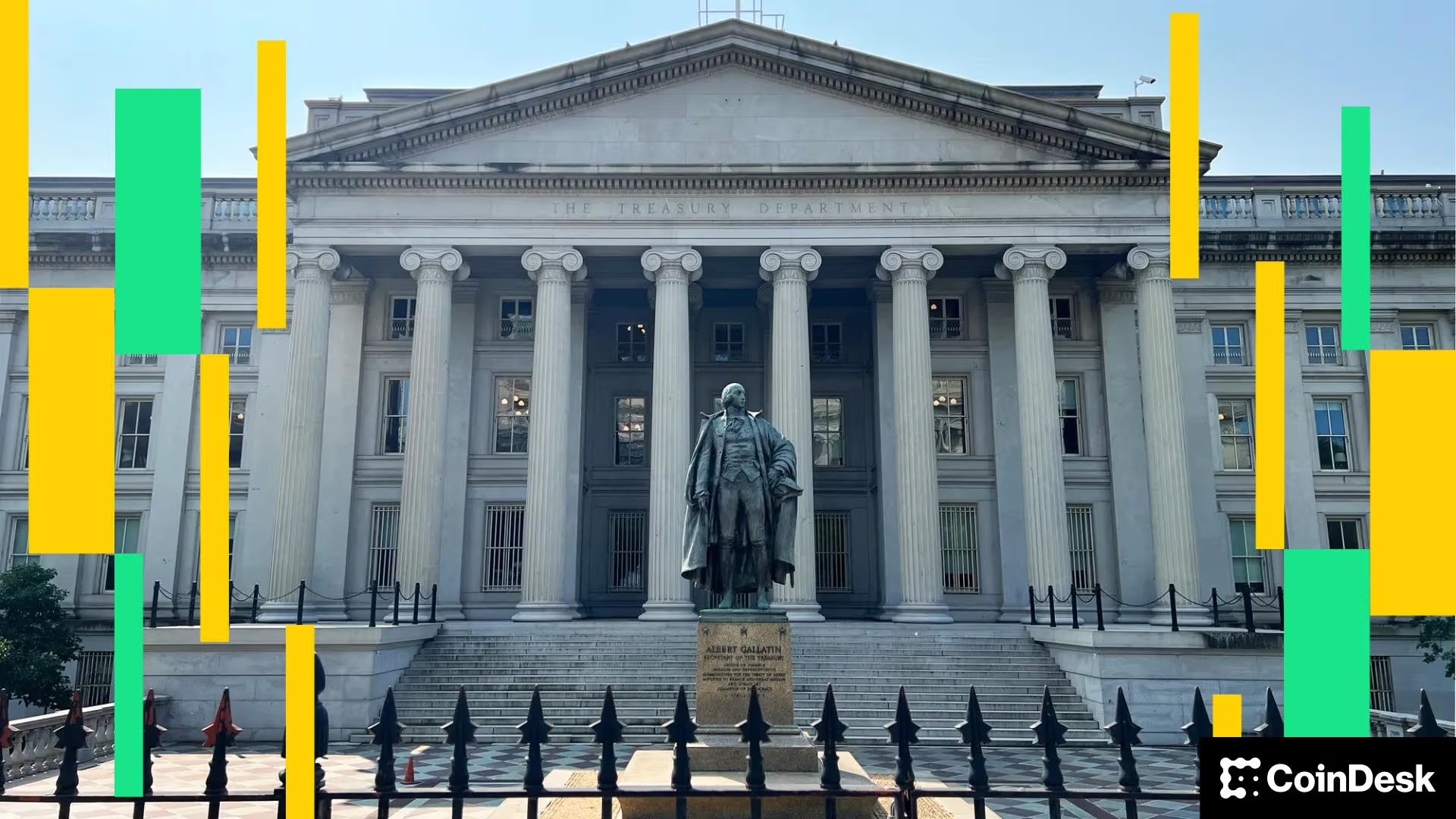 The Treasury Department has published a report indicating a change in stance on crypto mixers, now recognizing their legitimate use cases. (Jesse Hamilton/CoinDesk)
What to know:
- The U.S. Treasury, which has traditionally opposed crypto mixers due to their association with criminal activities, stated that these services can also be utilized for legitimate privacy purposes on public blockchains.
- The Treasury indicated that mixers can legally assist in concealing personal, business, and charitable transactions from being publicly visible when accompanied by precautions like record-keeping and compliance measures.
- While reiterating that mixers are often exploited for laundering illicit funds, the report urged Congress to clarify anti-money laundering responsibilities for DeFi, promote privacy-enhancing digital identity tools, and consider new powers to temporarily freeze questionable digital assets.
After years of resistance to crypto mixers, which are services that obscure digital asset transactions, the U.S. Treasury Department now acknowledges that they may have lawful privacy functions alongside their well-known criminal uses.
Related Posts
In a report concerning the implementation of the Genius Act, the Treasury recognized that mixing services can fulfill legitimate roles on public blockchains. These roles include protecting personal finances, business dealings, and charitable contributions from public traceability. The department pointed out that privacy tools can coexist with compliance when properly structured, for instance, through record-keeping and other protective measures.
“As consumers increase their use of digital assets for payments, individuals may wish to utilize mixers to enhance the privacy of their consumer spending patterns,” the Treasury noted in the report.
The mixers, which obscure the origin and destination of digital asset transactions by pooling users’ funds together, have historically been a subject of controversy in Washington. In 2022, the Treasury’s Office of Foreign Assets Control (OFAC) placed sanctions on the Ethereum-based mixer Tornado Cash, alleging it facilitated the laundering of billions in illicit cryptocurrency linked to North Korea’s Lazarus hacking group. The sanctions effectively prohibited Americans from utilizing the tool and sparked one of the most contentious regulatory debates in the crypto space.
In 2025, the government removed Tornado Cash from the sanctions list following legal challenges and an appellate court ruling questioning the Treasury’s authority to impose sanctions on open-source smart contracts. Although released on bail, Tornado Cash co-founder and developer Roman Storm continues to face legal issues as prosecutors assert they possess sufficient evidence to show he incorporated features into the mixer with the knowledge that they would assist cybercriminals.
The report does not dismiss concerns regarding illicit finance. It highlights mixers as instruments frequently used to conceal stolen funds and stresses the necessity for enhanced anti-money laundering (AML) regulations across digital assets. However, it also asserts that privacy technology itself is not inherently illegal.
In addition to mixers, the report indicates broader policy changes. The Treasury encourages Congress to define which decentralized finance (DeFi) participants should be subject to AML requirements, investigate digital identity tools that facilitate compliance without excessive data collection, and consider new authorities that would enable institutions to temporarily freeze suspicious digital assets.
