Disclaimer: Information found on CryptoreNews is those of writers quoted. It does not represent the opinions of CryptoreNews on whether to sell, buy or hold any investments. You are advised to conduct your own research before making any investment decisions. Use provided information at your own risk.
CryptoreNews covers fintech, blockchain and Bitcoin bringing you the latest crypto news and analyses on the future of money.

Three factors driving Bitcoin miners to sell BTC — and the reasoning behind it not being capitulation.

Crypto analysts, traders, and anonymous Bitcoin influencers on X (formerly Twitter) often interpret the actions of Bitcoin miners regarding their block rewards as an indicator of potential BTC price movements.
This approach suggests that Bitcoin miner rewards transferred to exchanges may signal impending selling pressure on Bitcoin prices and could indicate difficulties faced by miners.
Aspects of this approach were questioned by a variety of publicly traded Bitcoin miners during last week’s Bitmain World Digital Mining Summit in Hong Kong.
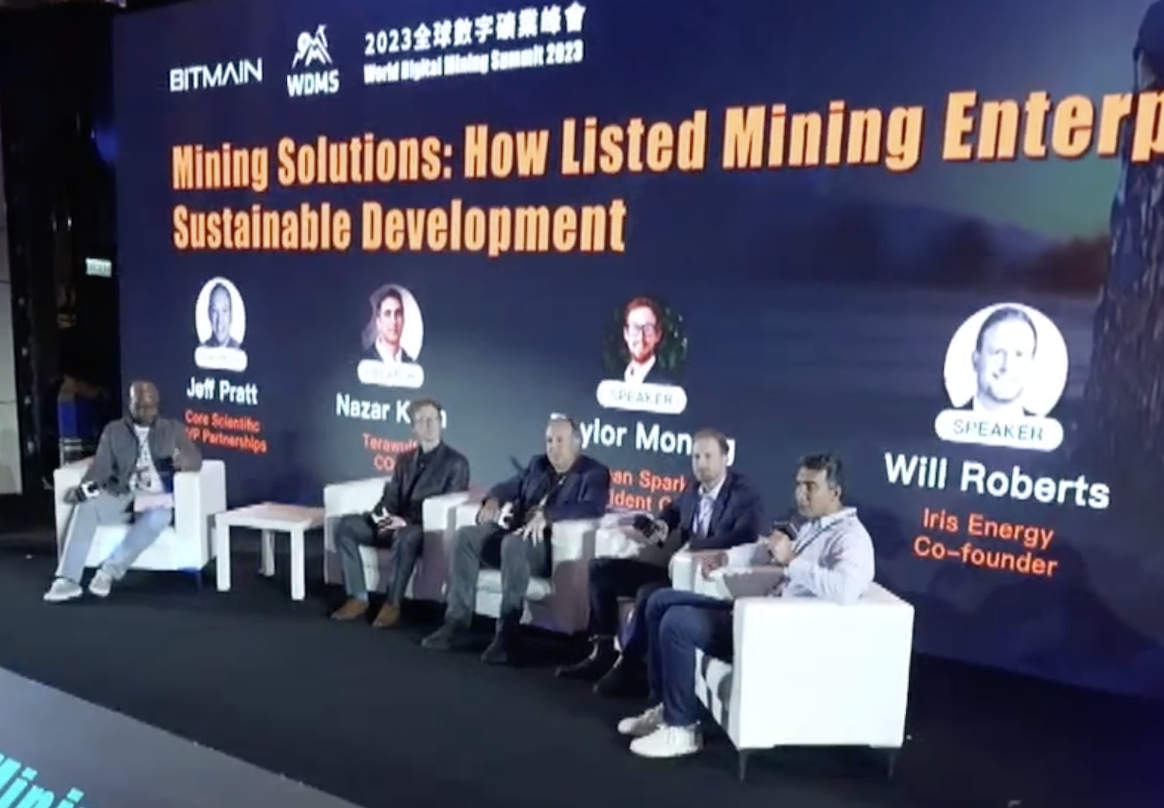 Bitmain WDMS panel on Bitcoin mining and renewable energy. Source: Cointelegraph
Jeff Taylor, the Core Scientific EVP of Data Center Operations, stated,
“Core Scientific might exemplify the HODL strategy. We accumulated a 10,000 Bitcoin reserve and capitalized on it during the peak, which subsequently led to some financial challenges we are currently addressing. Therefore, our current approach involves selling our Bitcoin production daily. It revolves around three key factors: how and where to reduce costs, how and where to enhance efficiency, and what new financial innovations can be introduced to our treasury or power programs to stabilize our overall profitability.”
Panelists Taylor Monning and Will Roberts from CleanSpark and Iris Energy concurred with Core Scientific EVP Jeff Taylor, noting that their companies also sell the majority of their mined BTC.
Monning remarked,
“CleanSpark’s strategy was quite different; we were very cautious during the bull market and faced criticism for that. We sold Bitcoin at the peak price of $60K, and received criticism for that as well. However, I believe our strategy has proven effective this year with our expansion to 9.5 exohash, and we are now beginning to increase our HODL as you may have noticed over the past few months with Bitcoin prices being significantly lower. We adopted a more conservative approach during the bull market. Our motto has been to build during the bear market, and I believe we will continue to expand on that. I think many have learned valuable lessons from the last market cycle, and I expect the CleanSpark strategy will be embraced by many other miners moving forward.”
Will Roberts, co-founder of Iris Energy, added,
“We have sold all our Bitcoin daily since we commenced mining. Our perspective is that mining Bitcoin and operating data centers represent a distinctly different business model compared to investing in Bitcoin as an asset. Our focus is on generating shareholder value; our expertise lies in operating data centers and generating cash flows for our investors. We believe we can create more value by selling a Bitcoin today and earning that Bitcoin back, plus more, in the future, and we have the potential for expansion capabilities to achieve that, or possibly paying out a dividend in the future, whether in cash or Bitcoin.”
Related Posts
Nazar Khan, co-founder of TeraWulf, stated,
“The last bull market feels like it was two lifetimes ago. Any strategies we had then are now outdated, and we have adjusted our approach accordingly. Like some others here, we have been selling every Bitcoin we produce, and fundamentally, we at TeraWulf consider ourselves converters. We take a kilowatt hour of power, process it through the advanced ASICs made by Bitmain, and produce hash on the backend. Every single day, we assess our efficiency in that conversion process. We inform our investors that we are converters and that they should evaluate us based on our efficiency in that conversion process, which means we monetize every Bitcoin we sell daily.”
Related: Bitcoin miners double down on efficiency and renewable energy at the World Digital Mining Summit
So, are Bitcoin analysts doing it all wrong?
When asked about the validity and methodology of on-chain metrics such as Charles Edward’s hash ribbons indicator, Khan responded:
“I believe that being an analyst is an exceptionally challenging role because, by nature, you are likely to be incorrect. Moreover, historically, that may have been a useful measure, especially when margins were over 80%, and there was no necessity to sell; you didn’t need to monetize every Bitcoin produced. As we evaluate most companies today, given our growth strategies, the only income source we have is the margins from mining Bitcoin or raising additional capital, and the capital markets we rely on to expand our businesses have been constrained in recent years. Therefore, for publicly listed miners, examining their Bitcoin selling strategies does not necessarily indicate capitulation or distress; rather, it reflects how that aligns with their current situation and future growth plans, as well as how it meets their capital requirements.”
Statements from Foundry vice president Kevin Zhong also resonated with the viewpoints of the publicly listed miners at the WDMS.
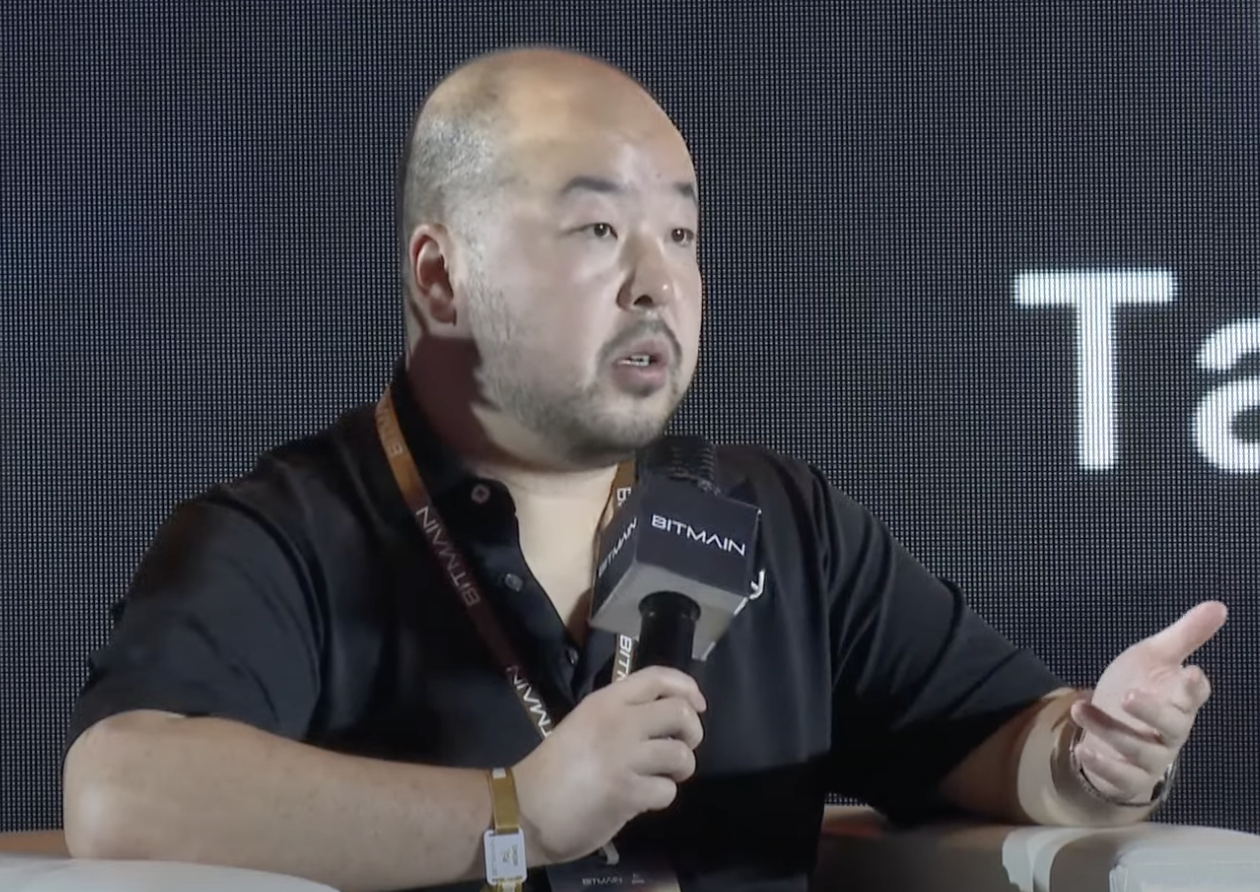 Foundry SVP Kevin Zhang speaks about the Bitcoin halving. Source: Cointelegraph
“The ideal scenario is to depend on our optimism that Bitcoin will rise and that our challenges will resolve themselves, but that is not guaranteed. The economic incentives of Bitcoin may not be present or may manifest 6 to 12 months after the halving. In such a case, we need to be very innovative. What can we do with block space? How can we increase fees? What alternative methods can we use to support ourselves and assist miners? It is also crucial to be very analytical and strategic regarding the Bitcoin we mine. Are we hedging it, or are we engaging in covered calls? What are our treasury strategies? If we maintain a bullish outlook on Bitcoin, will we liquidate all of it or retain some? This requires extensive stratification and modeling, with countless models.”
To listen to the complete discussion on Bitcoin miners’ transition to renewable energy, the increasing collaboration between energy producers and BTC miners, and miners’ perspectives on the upcoming halving, check out the WDMS panel here.
This article does not provide investment advice or recommendations. Every investment and trading decision carries risk, and readers should perform their own research before making any decisions.
