Disclaimer: Information found on CryptoreNews is those of writers quoted. It does not represent the opinions of CryptoreNews on whether to sell, buy or hold any investments. You are advised to conduct your own research before making any investment decisions. Use provided information at your own risk.
CryptoreNews covers fintech, blockchain and Bitcoin bringing you the latest crypto news and analyses on the future of money.


On August 22, Thailand’s parliament elected real estate magnate Srettha Thavisin as the nation’s next prime minister. Thavisin is recognized as the former president and CEO of Sansiri, one of Thailand’s largest real estate firms, which also has connections to the cryptocurrency sector.
At 60 years old, Thavisin was the sole candidate presented by the Pheu Thai Party, garnering 482 votes from a total of 747 in the parliamentary election.
His election may have potential ramifications for Thailand’s cryptocurrency landscape, as his family business, Sansiri, actively invested in the nation’s digital asset market. Thavisin stepped down as CEO of Sansiri in April 2023 amid speculation regarding his appointment as Thailand’s next prime minister. He also divested his 4.4% ownership in Sansiri at that time.
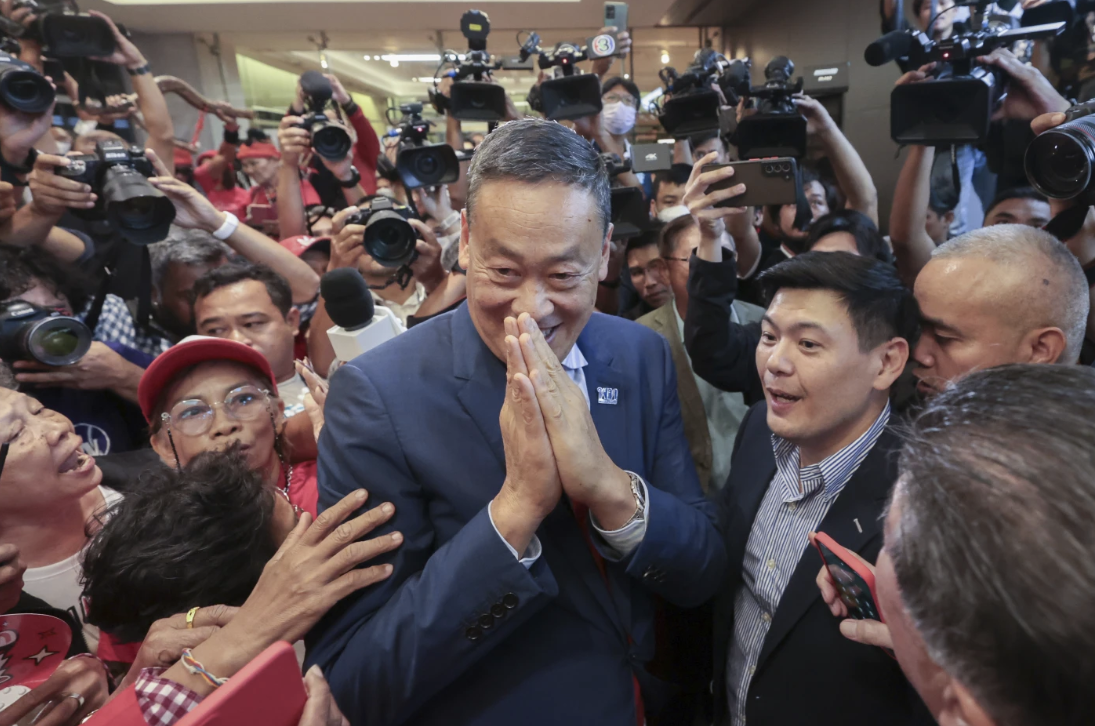 Former Sansiri CEO Srettha Thavisin. Source: AP News
In 2021, Sansiri was involved in a $225 million funding round for XSpring Capital, a firm focused on crypto-friendly investment management. Following this, XSpring launched a fully integrated cryptocurrency trading platform in 2022, with aspirations to rank among the top three companies in the crypto exchange sector by 2025.
In addition to supporting significant crypto initiatives in Thailand, Thavisin’s Sansiri is recognized for creating and distributing its own tokens via XSpring in 2022. Named “SiriHub Token,” this digital asset is part of a real estate-backed initial coin offering (ICO) that made 240 million tokens available to the public in 2022.
Related Posts
The Pheu Thai Party, which Thavisin joined in November 2022, had previously suggested distributing funds to Thai citizens if it won the elections. The party specifically pledged to provide each citizen with 10,000 Thai baht ($285) in April 2023, to be delivered using digital currency.
As Thavisin’s administration is anticipated to take office by the end of September, it remains uncertain how his cryptocurrency-related experience might influence Thailand’s crypto regulations.
Related: Thailand threatens Facebook over crypto scams and other fraudulent ads
Just days before the vote, Thavisin expressed on X (formerly Twitter) that his participation in the elections was motivated by a desire to “enhance the country and the economy.” He further stated:
“My adversaries are poverty and the inequality of the people. My aim is the well-being of all Thai citizens.”
This development follows a recent decision by Thailand’s cabinet to provide tax incentives for corporate income tax and value-added tax for companies that issue investment tokens. In March, deputy government spokesman Rachada Dhnadirek announced that the government anticipates investment token offerings to yield 128 billion Thai baht ($3.7 billion) over the next two years.
Asia Express: China’s risky Bitcoin court decision, is Huobi in trouble or not?
