Disclaimer: Information found on CryptoreNews is those of writers quoted. It does not represent the opinions of CryptoreNews on whether to sell, buy or hold any investments. You are advised to conduct your own research before making any investment decisions. Use provided information at your own risk.
CryptoreNews covers fintech, blockchain and Bitcoin bringing you the latest crypto news and analyses on the future of money.


- It requires the exchange of specific data among financial institutions.
- Every stage of a given transaction must also encompass the pertinent names and addresses.
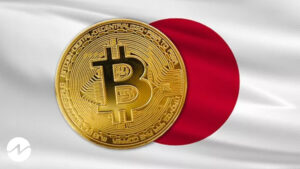
In alignment with other nations in the region, Japan is expected to implement further anti-money laundering regulations to enhance oversight of crypto transactions. As reported by Japan Today on Tuesday, the government intends to introduce the new measures on June 1, which will involve the enforcement of what is referred to as the travel rule.
To avert, detect, and penalize money laundering and other financial offenses, it necessitates the exchange of specific information between financial institutions to ensure transaction traceability.
Pressure from FATF
Related Posts
Every stage of a given transaction must also incorporate the relevant names, addresses, and other personally identifiable information essential for processing the transaction. Providers of virtual asset services were included in a subsequent amendment to the regulation.
Japan’s initial attempt to adopt the regulation in 2021 was considered inadequate by the international body responsible for enforcing the rule, the Financial Action Task Force (FATF).
Over the past two years, Japan has addressed criticisms by tightening its crypto legislation. The Financial Action Task Force also publicly criticized Japan for its “insufficient progress” regarding the issue of digital assets, which was among the allegations made against the country.
Consequently, the Japanese Legislature enacted a significant investor protection measure in June of the previous year, establishing a framework for stablecoins and categorizing them as digital currencies. Stablecoins may only be issued by legally recognized financial entities, including banks, money transfer companies, and trust firms.
At the same time, the government sought amendments to its Foreign Exchange Act to limit cryptocurrency transactions that could benefit sanctioned Russian nationals.
