Disclaimer: Information found on CryptoreNews is those of writers quoted. It does not represent the opinions of CryptoreNews on whether to sell, buy or hold any investments. You are advised to conduct your own research before making any investment decisions. Use provided information at your own risk.
CryptoreNews covers fintech, blockchain and Bitcoin bringing you the latest crypto news and analyses on the future of money.


Key Takeaways
- Essential operational metrics for Web3 Games encompass active users, retention rates, and payment-related statistics. Non-authentic players can disturb the equilibrium and economic integrity of the game.
- This article uses Era7 as a case study, detailing the approach to identify non-authentic players, revealing that these players exhibit a higher activity level than authentic players, averaging 68 days of active duration and demonstrating increased operational frequency.
- Non-authentic players may include manual operations, group control software, and automated scripts, leading to identification methods categorized into funding networks and behavioral patterns.
Following the surge of GameFi and the fluctuations of 2022, the sector has transitioned back to a more pragmatic Buidl phase. The sustainable growth of game ecosystems and economies has emerged as a significant focus in the ongoing evolution of Web3 games.
The worth of a game can be expressed as the product of the player count, individual player value, and average player retention duration. Consequently, projects can enhance their life cycles and profitability by understanding player behavior and implementing targeted product enhancements and marketing strategies.
Insights of Web3 Gamers
As per the February Monthly GameFi Report from Footprint Analytics, the current count of active user addresses on the blockchain stands at 1.5 million. Given the nature of most GameFi projects, where players can earn cryptocurrencies and NFT rewards by completing tasks, a significant number of non-authentic players have emerged to “farm gold.”
Non-authentic players in games, through concentrated and frequent operations to farm gold, may disrupt the game’s equilibrium and economic stability, consequently diminishing the value of the game project itself.
From the perspective of game ecosystem balance, the mass activities of non-authentic players can compromise the fairness of the game, impacting enjoyment and experience. If these players gain an edge through unfair practices, it undermines the game’s competitiveness, leading to dissatisfaction and frustration among other players, which may result in a decrease in player count and average retention duration.
From the viewpoint of in-game economic stability, if non-authentic players acquire substantial amounts of tokens or NFTs, it can cause price distortions within the game and foster wealth inequality, adversely affecting user spending enthusiasm and harming player numbers, retention duration, and individual player value.
Case Study: Player Insights Analysis From Era7
According to Footprint Analytics’ game dashboard, Era7 is a well-regarded project on BNB Chain. As a prominent project, it attracts not only genuine players with a strong interest but also inevitably garners the attention of gold farming studios. This report examines:
- The ratio of genuine players to gold farming studios;
- Any notable behavioral differences, and the impact of gold farming studios on the game.
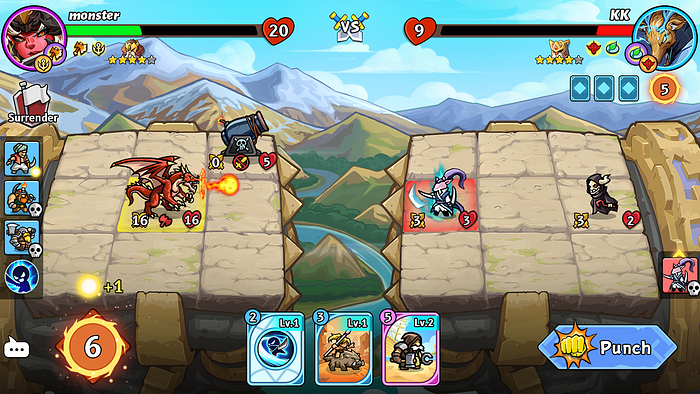
Era7: Game of Truth is a metaverse-style TCG (Trading Card Game), a W2E (Win-to-Earn) initiative developed on the BNB Chain. Unlike conventional P2E projects, W2E projects prioritize gameplay, allowing players to generate NFT assets and game items with specific utility and collectible value through ongoing level advancement and challenges.
Roadmap
In December 2021, Era7 initiated NFT airdrops and pre-sold blind boxes, followed by the launch of the Marketplace. The game officially debuted on the BNB chain on March 30, 2022.
Official Roadmap:
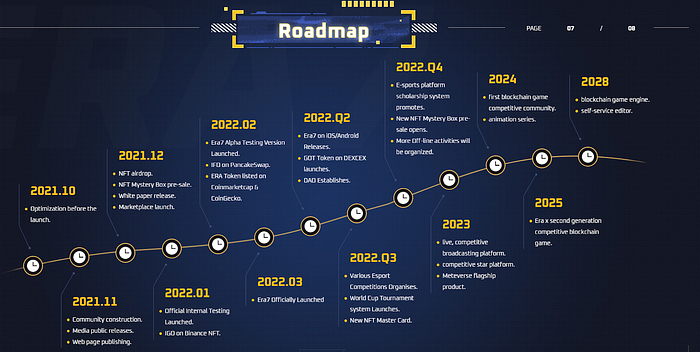
Key events and dates post-launch:
- 5.28 2022: First GOT burn
- 8.6 2022: Initiation of the burning mechanism “GOT/ERA Token Auto-Burn”
- 9.11–10.1 2022: First season of Era7 World Cup Tournament
- 11.2 2022: Era7 acquired a 35% stake in [ESFI], a web3 e-sports management platform valued at $30M
- 11.6–11.27 2022: Second season of Era7 World Cup Tournament, streamed on YouTube
- 11.13–27 2022: Sales of the fourth batch of NFT blind boxes (Era7 Set-II Box)
Player Engagement Roadmap
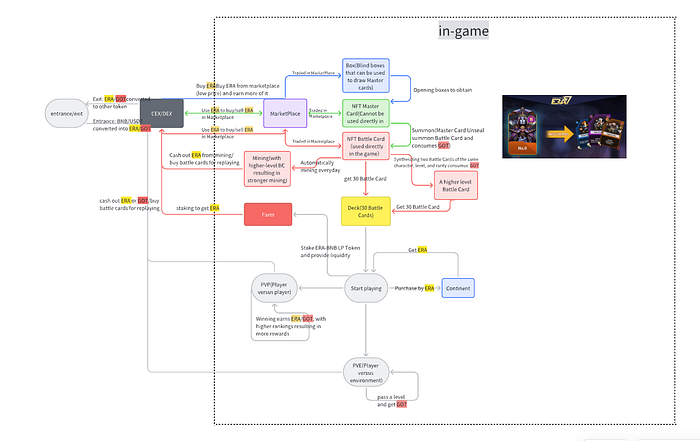
Economic Model
The total supply of ERA to be issued is 1 billion, based on the game’s tokenomics. This token is created by the Era7 Metaverse on the BNB Smart Chain (BSC) and currently functions solely as Era7’s platform token. Players can earn ERA rewards through combat, participating in community incentives, and liquidity mining.
As the Era7 metaverse evolves, the functions of ERA will expand to include community governance, staking, and other rights and interests. The platform currency, the ERA token, effectively serves as the Bitcoin of the entire Era7 metaverse. ERA operates similarly to stablecoins, where market dynamics dictate supply and demand. Players can exchange ERA for USDT or local fiat.
Main applications of ERA:
- To acquire local currency via an exchange;
- To buy GOT master cards/battle cards and NFT items/NFT mystery boxes on the marketplace;
- To facilitate transactions between players (ERA may be utilized to trade Era7 cards, GOT, or other in-game items);
- To purchase land and earn additional ERA rewards;
- To stake for community rights, participate in governance, voting, and subsequent decision-making;
- As a wager and/or as a registration fee for PVP.
How to obtain ERA:
- Purchase on DEX/CEX platforms;
- Earn through in-game rewards or airdrops;
- Acquire via liquidity mining;
- From PVP rewards.
How to obtain GOT:
- Earn from in-game event rewards;
- PVE rewards
Cards
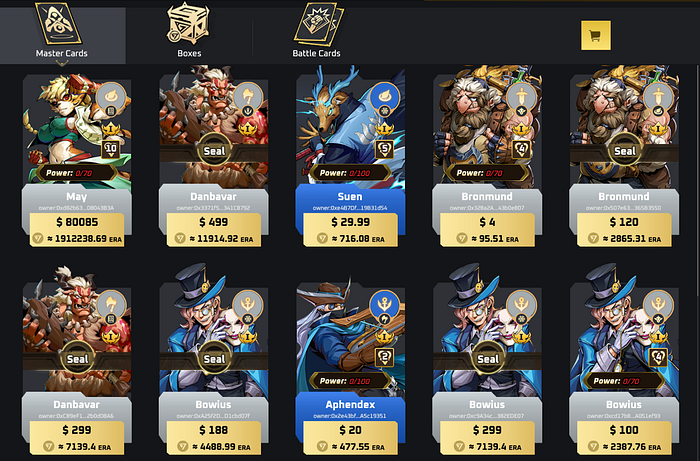
Era7 includes two categories of cards: Master cards (hero character cards) and Battle Cards (magic cards and monster cards summoned by heroes). Players require a minimum of 30 battle cards to initiate a battle, and the total card count in the game is projected to exceed 1,000. Both Master Cards and Battle Cards are NFTs.
Master Cards (hero character cards)
Battle Cards (magic cards and monster cards summoned by heroes)
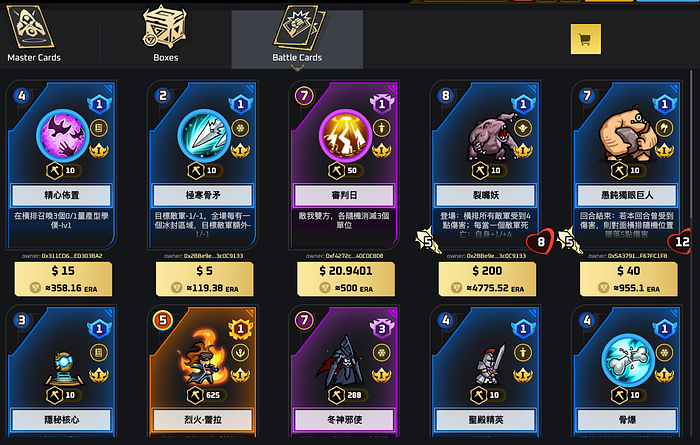
Summoning
To acquire NFT Master Cards, players must purchase mystery boxes directly or trade with other players in the Marketplace. NFT Master Cards do not engage in battles themselves; they summon NFT Battle Cards that constitute the deck for frontline combat. After successfully acquiring NFT Master Cards, players must first unseal them before they can summon NFT Battle Cards. If the NFT Master Cards have reached their maximum summoning limit, players will need to expend ERA and GOT tokens as fuel to continue summoning.
Era7 is currently investigating enhancements to user experience at the infrastructure level, alongside promoting the Esports strategy and hosting ECL championships every six weeks. The Era7 team has partnered with the zkMeta platform, which develops game-specific zk-rollups on Polygon, to leverage zk technology for transforming and releasing a new version of Era7.
Era7’s GameFi Data
In terms of active users and retention, Era7’s performance in 2022 ranked among the Top 10.
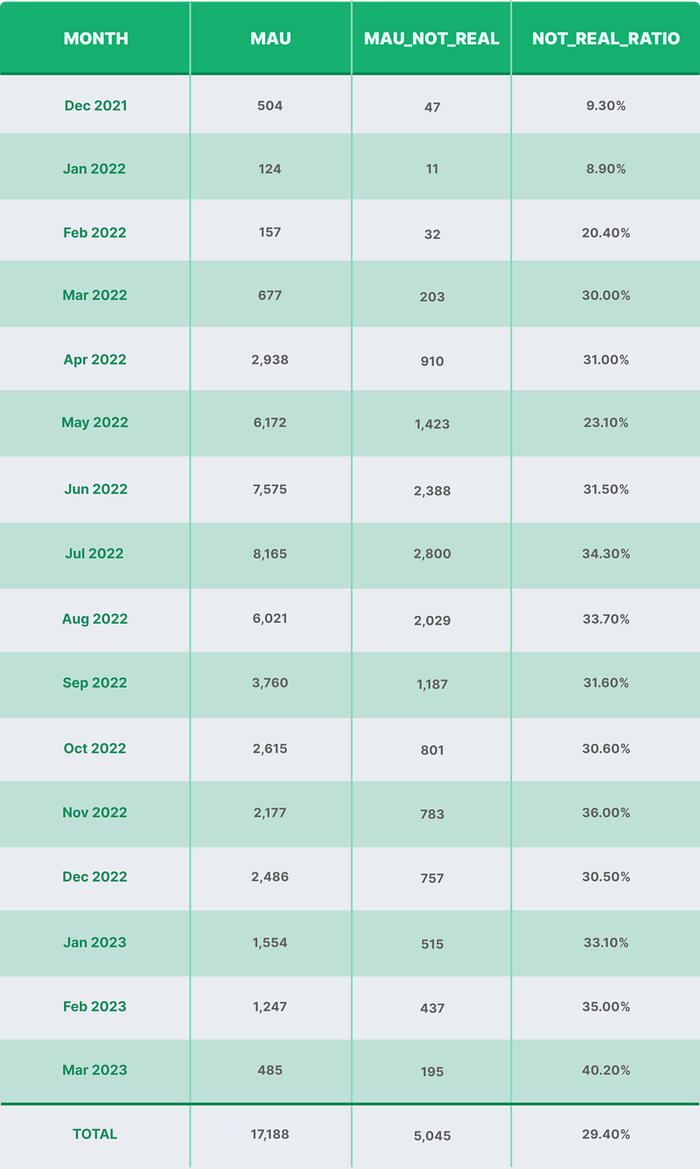
According to the latest data (as of March 7, 2023, using the current holders of Game Master Cards as the base), there are a total of 17,188 gamers. After filtering, we identified 5,045 non-authentic player addresses. These addresses may comprise game studios or organized groups of players, primarily aiming to gain returns through blockchain gaming.
Data analysis indicates that numerous promotional campaigns in the early stages (such as activities on Twitter) attracted a significant user base. From May to July 2022, the monthly active user count rose, with an increasing proportion of female players.
In the initial phase of game promotion, the project team should strive to mitigate the impact of non-authentic players, provide greater incentives to genuine gamers, and appropriately lessen the influence of non-authentic players on game balance.
After July 2022, the monthly active user count began to decline. Correspondingly, the monthly active user count of non-authentic players also exhibited a similar trend. Simultaneously, it is evident that although the monthly active user count has decreased, the contribution of non-authentic players to the overall monthly active user count remains relatively significant.
Related Posts
Learn about the methodology for identifying non-authentic addresses at the end of this article.
Genuine vs Non-Genuine Users: Comparative Analysis of In-Game Behaviors
The Impact of Non-Genuine Players on Game Interaction, User Activity, and Transactions
Despite the relatively small number of non-authentic players, they have generated a higher level of interaction, more active days per user, and increased transaction volume within the game.
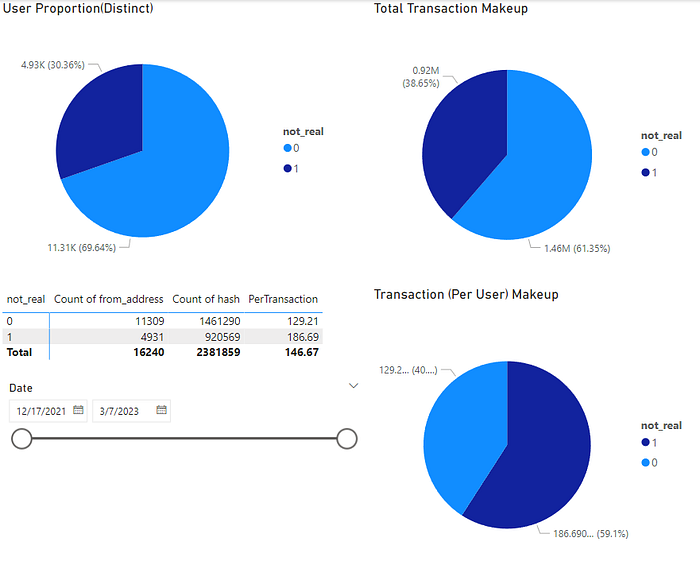
Among the approximately 16,000 player addresses observed as of March 7, 2023, around 4,900 were identified as non-authentic, representing 30% of the total. However, these non-authentic players, comprising less than one-third of the total, accounted for 39% of the interactions (920,000 times), with an average of 187 interactions per user, which is nearly 1.5 times greater than that of genuine players (average of 129 interactions per user).
Non-authentic players have an average active duration of 68 days, considerably exceeding the 48 days of genuine players. This further indicates that non-authentic players exhibit a higher level of activity.
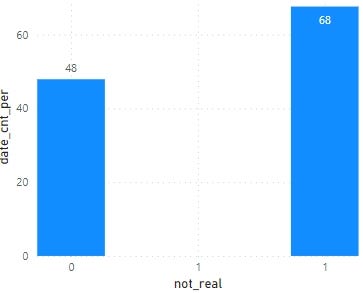
The average active days for non-authentic players is 68 days, significantly surpassing the 48 days for genuine players. This also suggests that non-authentic players demonstrate elevated activity levels.

Behavioral Patterns of Real and Non-Genuine Players
Real and non-authentic players exhibit similar behavioral patterns, though non-authentic players engage in operations more frequently.
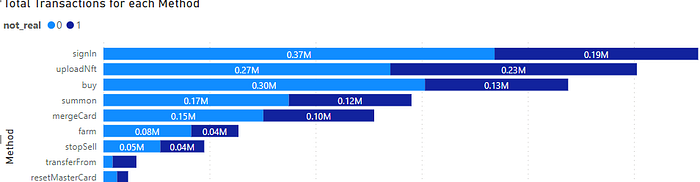
In terms of total operations, the most frequently utilized methods in the game include Sign In (login), Upload NFT (list NFT for sale), Buy (purchase in Marketplace), Summon (batch summon, exchange Master Card for Battle Card), Merge Card (combine Battle Cards for upgrades), and Farm (staking to earn ERA). Both non-authentic and genuine players display a similar distribution of the top methods they employ.
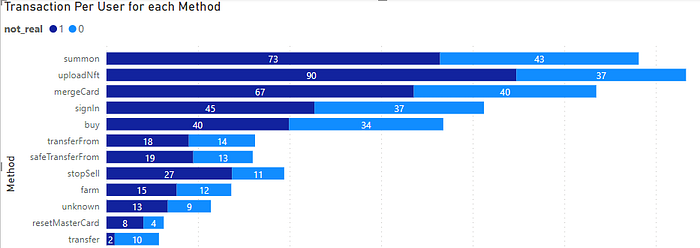
However, at the individual player level, non-authentic players demonstrate significantly more operations related to Upload NFT, Summon, and Merge Card compared to genuine players.
Non-Genuine Players Show Stronger Response in Blind Box Promotion
The Blind Box Promotion in November heightened excitement within the game, yet non-authentic player addresses exhibited a much stronger response than genuine players.
Regarding the average number of user operations per day, non-authentic players’ frequency of Upload NFT (listing and selling NFT) was significantly greater than that of genuine players (approximately 2–3 times) at the game’s onset and in mid-to-late November.
At the game’s inception, non-authentic players may have profited by selling NFTs acquired through airdrops prior to the game’s launch. During the same period in 2022, from November 13th to 27th, the Era7 Set-II Box was launched for the fourth time, and non-authentic players likely opened numerous boxes to obtain Master Cards and subsequently sold them for ERA.
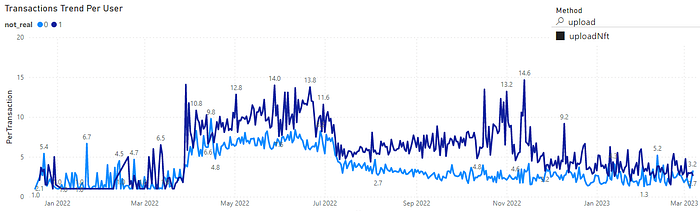
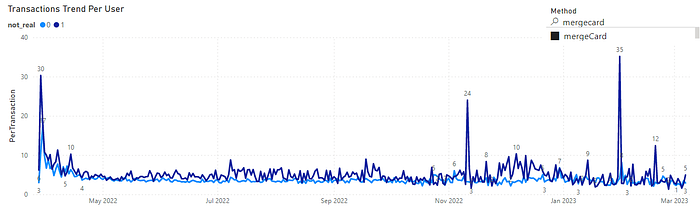
The subsequent two graphs, Merge Card (combining Battle cards for upgrades) and Summon (exchanging Master Cards for Battle Cards), also reflect this trend. At the game’s beginning and during the November Blind Box event, players acquired more NFTs through Merge and Summon for use in the game or for resale.
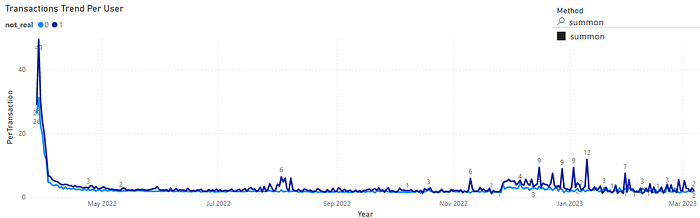
TransferFrom (transfer of Era7 NFT) experienced a notable surge in high-frequency operations by non-authentic players in late last year and early this year, coinciding with the game’s declining popularity.
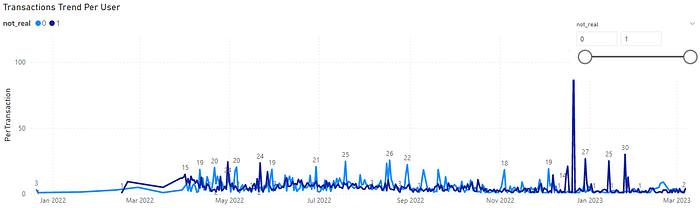
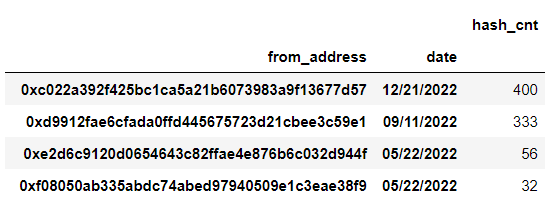
Further analysis revealed that high-frequency operations stem from certain addresses frequently transferring Era7 NFTs to external addresses within a single day. This investigation suggests that this may be an attempt to cash out and exit or to conduct bulk Merge Cards.
The Rise of Farming as Game Popularity Declines
Farming has emerged as the primary method for players to earn passive income or profit amid the game’s waning popularity.
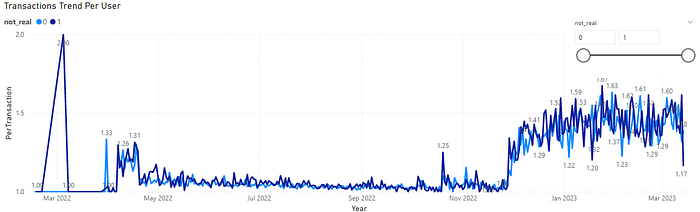
As the game’s popularity diminishes, particularly following the conclusion of the blind box activity in mid to late November, an increasing number of players are generating profits through farming (staking to earn ERA). In the examples below, we identify two instances where non-authentic players were recognized through the financial flow of farming. In the later stages of the game, this will likely become a more prevalent method for profit-making.
The project team should be mindful of the repercussions of a singular focus on gold farming, as both genuine and non-authentic players exhibit similar upward trends. It is essential to conduct a thorough analysis of various gold farming techniques, comprehend the user demands and behavioral patterns behind them, and implement targeted optimizations and enhancements to improve user satisfaction and gameplay.
Non-Genuine Players Receive More Game Tokens
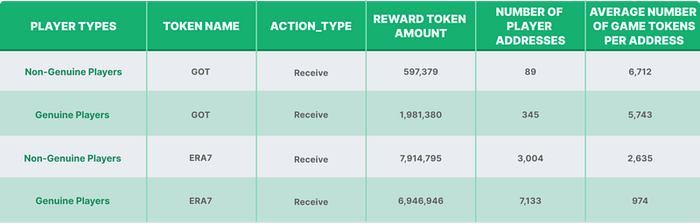
Non-authentic player addresses receive a greater average amount of game tokens compared to genuine players.
By tallying the transactions transferring game tokens from address 0 to player addresses as game reward tokens, it was discovered that both GOT and ERA7 game tokens have a higher average number of tokens for non-authentic players than for genuine players.
The average quantity of ERA7 tokens held by non-authentic players is 2.7 times greater than that of genuine players, with non-authentic players holding 53% of the total reward token amount. Regarding game token rewards, the project team should focus on the distribution of game token rewards to prevent significant sell pressure caused by non-authentic players (based on wallet addresses and methods of cashing out game tokens).
Summary
Project teams can identify non-authentic player groups and their common operational patterns through graph algorithms and other techniques. By comparing the similarities and differences between genuine and non-authentic players in the game, we can gain a clearer understanding of the potential impact of non-authentic players on the game. Additionally, it is vital to actively monitor and analyze player behavior and funding pathways, clarify account relationships, identify value extraction, and incentivize user behavior, as these factors are crucial to preventing the project from entering a downward spiral.
Methodology for identifying non-genuine addresses
Identification Methods
Generally, non-authentic players may consist of a limited number of manual operations, group control software, and automated scripts. This implies that one individual can manage multiple wallet addresses to achieve a collective gold-mining effect, indicating they are typically organized in groups.
Methods for identifying non-authentic players can typically be categorized into funding networks and behavioral patterns.
Funding networks pertain to the transfer of assets on the blockchain, where a specific asset is moved from one address (from_address) to another address (to_address). Numerous asset transfers between addresses collectively form a substantial funding network, and suspected non-authentic player groups can be identified by aggregating nodes within the funding network.
- Behavioral patterns refer to various transaction behaviors of wallets on the blockchain. Based on wallet addresses, summary statistics of wallet features within a defined time frame (e.g., total number of game operations, total number of transfers,
